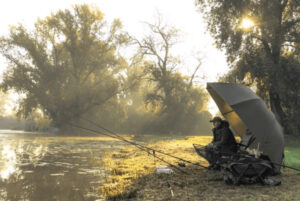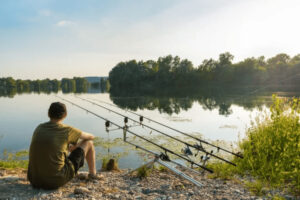
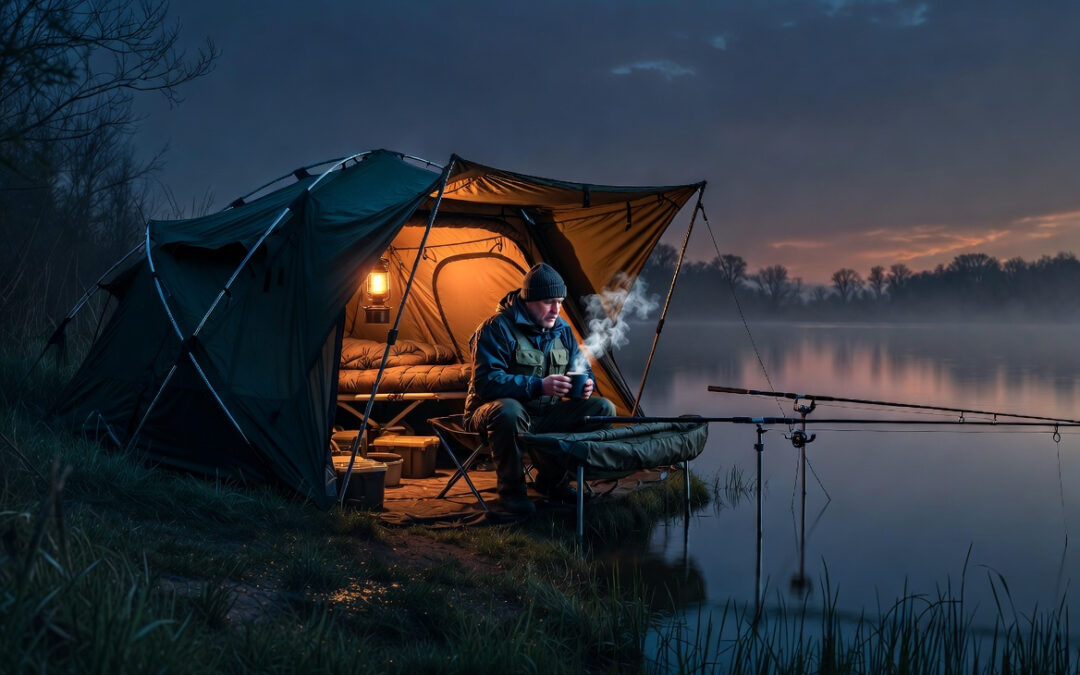
Night fishing for carp is one of the most immersive and productive forms of UK angling. In summer, the biggest and most cautious fish on many waters move freely only after dark. On commercially pressured day-ticket lakes, the night period provides the first respite from boat noise, bank disturbance, and competing anglers since dawn. The resulting window of confident feeding activity can produce exceptional results that daytime sessions simply can’t replicate.
Why Night Fishing Produces Bigger Fish
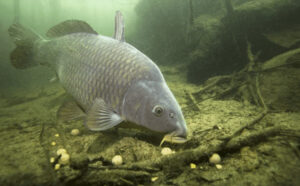
Carp are fundamentally more cautious and risk-averse than most anglers appreciate. The sight of an angler on the bank, the noise of traffic, and the disturbance of other rod trips through a swim keep large fish in sanctuary areas throughout the day on busy waters. After dark, these disincentives disappear. Large, dominant carp — which are last in the feeding hierarchy during daylight hours — push smaller fish aside and feed confidently on established bait spots after dark.
Water temperature is another factor. On warm summer nights, the surface temperature remains high and fish patrol actively. On autumn and winter nights when surface temperature drops rapidly after sunset, fish retreat to deeper, thermally stable water — which is often where your rods already are if you’ve read the lake correctly with a watercraft approach.
Bite Indication at Night
Standard visual indicators are useless in darkness. Reliable electronic bite indication is a necessity for overnight carp fishing.
Bite Alarms
A quality set of bite alarms on a receiver is non-negotiable. The receiver should be placed inside the bivvy where it will wake you from sleep. Choose alarms with adjustable tone and volume — different tones for different rods allows you to identify which rod has run in the dark. Our guide to the best bite alarms covers the top UK options across all budgets, and our setup guide explains how to dial them in for overnight sensitivity.
Isotopes and Illuminated Indicators
Swing arm hangers or drop arm indicators with built-in isotopes (glowing inserts) allow you to see drop-back takes — where a carp moves toward you after taking the bait — which an alarm alone may not register. Ensure your indication system covers both runs and drop-backs. On rivers and canals with current, drop-backs are common and easily missed without a visual indicator.
Bivvy and Sleeping Setup
A good overnight setup keeps you dry, warm, and able to respond to a run within 5–10 seconds of the alarm sounding. The foundation elements:
- Bivvy: One-man or two-man bivvies in the 200D+ fabric range. A quality overwrap (additional waterproof layer) is worth using on overnight sessions in unsettled weather. Our bivvy buyers guide covers the best options for all budgets
- Sleeping bag and bedchair: A 3–4 season sleeping bag rated to at least -5°C for UK summers (temperatures drop significantly on still nights). A flat-fold bedchair with a decent mattress thickness preserves sleep quality through long sessions
- Head torch: Red-light mode preserves your night vision when playing a fish. White light on a fish you’re unhooking in the margins will blind you for several minutes afterward. Use red for navigation and fish handling
Night Fishing Bait and Rig Choices
High-Visibility Hookbaits
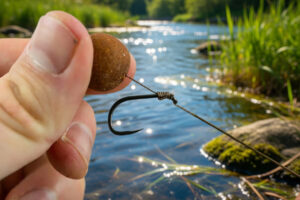
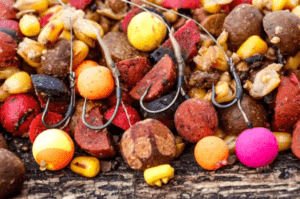
In darkness, visual triggers on the hookbait matter less — carp are locating food primarily through smell and lateral-line detection. However, a bright, highly soluble pop-up or wafter maximises the surface area of dissolving attractant in the water. White, yellow, and pink pop-ups remain popular night choices — not for visibility to the fish, but for the high attract levels of buoyant, fast-leaching hookbaits.
Heavy Baiting Before Dark
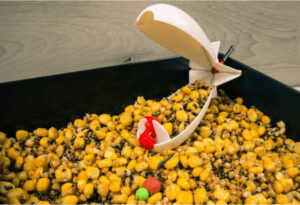
If you intend to fish overnight, introduce your free offerings before dark — ideally 2–3 hours before sunset. This allows the bait area to become established while you can still see what you’re doing accurately, and the early evening activity of fish investigating the free bait will give you a clear indication that the swim is productive before you sleep. Our guide to baiting up for long sessions covers spodding and pre-baiting strategy for overnight and 24-hour fishing.
Rigs for Night Fishing
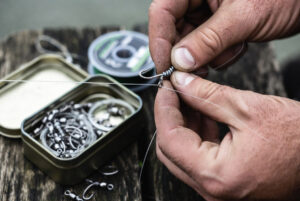
The same rigs that work during the day work at night — the fish can’t see the rig in the dark either, but they can feel it. Ensure every rig is fresh, the hook point is sharp, and the hooklink is free from tangles before last light. Retying rigs in complete darkness is difficult and error-prone. A rig wallet with pre-tied rigs allows quick changes by touch if needed.
Safety: The Most Important Part of Night Fishing
Night fishing carries real safety considerations that daytime fishing does not.
- Never wade in the dark — depths and bottom conditions you know in daylight can be disorienting at night. All netting must happen in the margins at a safe, shallow point you’ve already scouted
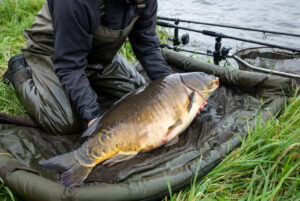
- Keep the unhooking mat and carp care kit at the water’s edge before dark — fumbling in a bag in the dark while a fish is flapping in the margins is how accidental injuries to fish happen
- Tell someone where you’re fishing and when you plan to return
- Check the venue rules — not all waters permit overnight fishing. Always confirm permission before setting up for a night session
Our night fishing essentials checklist and ultimate night fishing checklist cover everything to pack for a safe, productive overnight session. For carp care after dark, our carp care guide explains how to handle fish safely in low-light conditions.
Last Updated on June 11, 2026 by Shane
I have made a lot of mistakes during my fishing sessions and don't want you to make the same mistakes. I've learned the hard way over 20 years of fishing most weekends, testing, tweaking, and testing again and now want to help you excel with your carp fishing.
If you need any help, you can reach me at Fishing Again's Facebook page