
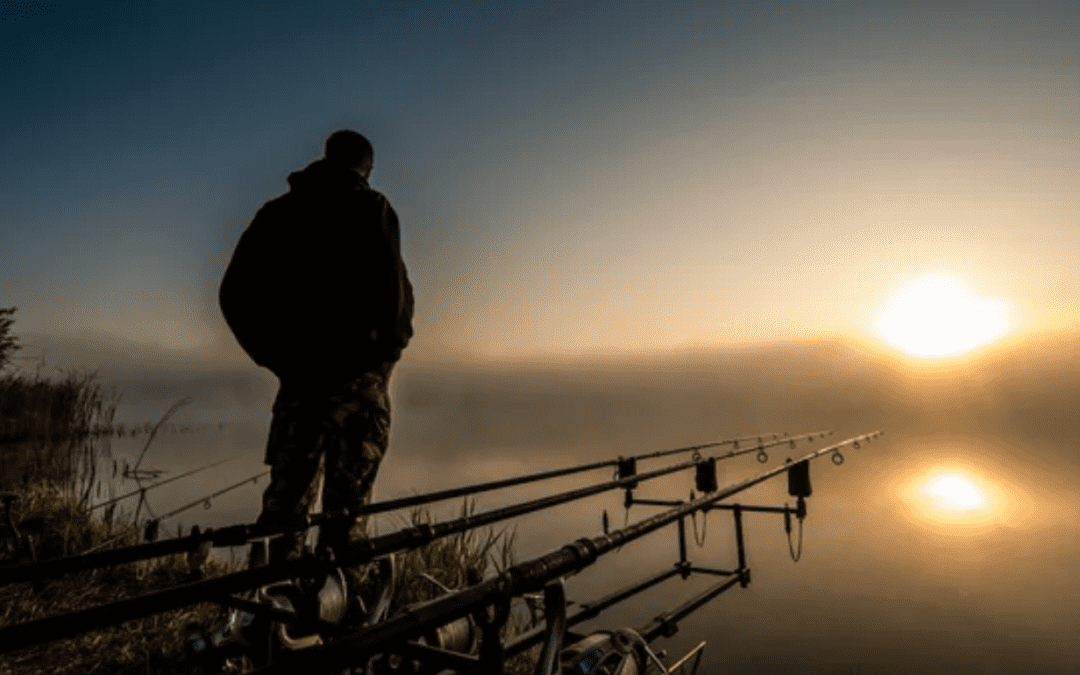
Most UK carp anglers think exclusively in terms of stillwaters — lakes, pits, and reservoirs. But carp thrive in canals and rivers across England and Wales, often to very impressive sizes, and they’re largely overlooked by the stillwater angling fraternity. This creates a genuine opportunity: hard-fighting, mature fish in locations that see a fraction of the pressure of any commercial day-ticket lake.
Why Canal and River Carp Are Different
Stillwater carp and running-water carp behave differently. Canal and river carp are accustomed to current, physical disturbance, boat traffic, and a more varied natural diet than their lake counterparts. They tend to be leaner, fitter, and considerably harder fighting fish weight-for-weight than stillwater carp — a 15lb canal carp will feel more powerful than a 20lb lake fish on comparable tackle.
They are also generally less rig-educated. Many canal carp populations see relatively few anglers using modern carp rigs — much of the canal fishing done by match anglers uses waggler and feeder setups, not bolt rigs. This means basic, correctly presented carp rigs perform very well in canal settings where an identical setup might be rejected repeatedly on a pressured day-ticket lake.
Finding Carp in Canals
Boat Canals
On navigable boat canals (Grand Union, Oxford Canal, Kennet and Avon, etc.), carp are found in specific holding features:
- Winding holes and basins: The turning points cut into the bank at regular intervals are sheltered from boat wash and accumulate natural food. Carp feed heavily in these areas
- Moored boat margins: The inside edge of moored boats creates shaded, sheltered microhabitats. Carp patrol under and alongside moored boats regularly, particularly in summer
- Vegetation and weed: Any substantial weed growth in a canal holds food and provides cover. Water crowfoot, pondweed, and lily patches are all worth investigating
- Bridge arches and lock surroundings: The shelter and shade of bridge arches attract carp, especially in bright conditions. Lock surroundings often have irregular bottom structure and collect debris that holds food
Rivers
River carp concentrate in the slower, deeper sections rather than fast runs. Look for:
- The inside of river bends where current is slowest and silt deposits form natural food areas
- Eddy pools below obstacles (fallen trees, bridge pillars, gravel islands) where slow water provides relief from the current
- Backwaters and ox-bow lakes connected to the main river — these are effectively stillwaters that exchange fish with the river and often hold the biggest fish
- Marginal reed beds and lily patches where the current is broken
Tackle Adjustments for Moving Water
Rod Selection
In canals, limited casting distance is required but a moderate-action rod provides better bite indication and margin fishing sensitivity than a stiff distance rod. A 10–11ft 2–2.5lb test curve rod is ideal. On larger rivers where modest distance is needed, a standard 12ft 2.75lb all-round carp rod works well.
Line Weight
Canal fish in urban areas often have snaggy environments — mooring chains, shopping trolleys, submerged fencing. Heavier lines (12–15lb mono) are often appropriate where a 10lb line would be used on a clean lake. On rivers, the current also demands slightly heavier mainline to prevent drag bow. See our carp fishing line guide for line selection by application.
Lead Weight and Rig
In still or very slow canal water, a standard 2–3oz bolt rig with a Combi Rig or Blowback Rig works perfectly. In rivers with noticeable current, increase lead weight to 3–4oz to hold bottom position, or use a flat, grip-style lead (similar to barbel fishing) that resists rolling in current.
Bait for Canal and River Carp
Sweetcorn is one of the most consistent canal and river carp baits — bright, visible, naturally sweet, and familiar to fish used to picking up seed items from the bottom. Tiger nuts and hemp also work very well, particularly for attracting fish to a spot in canal fishing where baiting an area can produce quickly.
Standard boilies work well too, but use smaller sizes (12–14mm) to match the scale of canal and river fishing — large 20mm baits that suit a big stillwater can look oversized and suspicious in the confines of a canal channel.
Canal Carp Fishing: Practical Tips
- Walk first: Canal carp are visible. Walk the towpath with polarised sunglasses on a calm, bright day and look for shadows, patches of dislodged silt, and subtle surface movement under moored boats before deciding where to fish
- Fish before boat traffic starts: Early morning (5–8am) before boat traffic begins is often the most productive session on navigable canals. Boat wash disturbs feeding and moves fish around — arrive before it starts
- Respect towpath users: Canals are shared public spaces. Keep rods low during high-use periods, be ready to reel in if a boat or cyclist approaches, and always leave the area cleaner than you found it. Canal carp fishing etiquette matters for maintaining public and Canal & River Trust goodwill toward angling
For wider tactics on different water types, see our guide to choosing the right fishing venue and our guide on how to fish for carp in lakes.
Last Updated on September 9, 2026 by Shane Stanford
Shane Stanford has fished for carp for over twenty years, in the UK and in France, and currently fishes a private syndicate water in West Sussex. He writes Fishing Again to put the things he learned the hard way into plain language: location and watercraft first, then bait, rigs and gear. He is straight about which kit he has actually fished and which he has assessed on specification, and says so on the page.


