Choosing your first carp fishing rod can feel overwhelming. Walk into any tackle shop in the UK and you will be confronted by rows upon rows of rods in every length, test curve, and price range imaginable. If you are just getting started with carp fishing, making the wrong choice here can cost you money and, worse, put you off a hobby that could give you decades of enjoyment on the bank.
In this guide, I am going to walk you through everything you need to know about picking your first carp rod. I have been fishing for over twenty years and have made plenty of expensive mistakes along the way, so hopefully I can save you from doing the same. By the end of this article, you will understand test curves, rod lengths, rod actions, and exactly what to look for when you head to the tackle shop or browse online.
What Is a Carp Rod and Why Does It Matter?
A carp rod is specifically designed to handle the power and fight of carp, which are among the strongest freshwater fish in the UK. Unlike a general coarse fishing rod, a dedicated carp rod has the backbone to cast heavy leads, the sensitivity to detect bites, and the power to play and land fish that can weigh anywhere from a few pounds up to over forty pounds in some UK waters.
If you try to use a general-purpose rod for carp fishing, you will quickly run into problems. A rod that is too light will struggle to cast the distances you need, and it may not have enough power to control a big fish. On the other hand, a rod that is too stiff and powerful will make it harder to feel bites and could lead to hook pulls when playing fish at close range. Getting the right rod for the job is the foundation of a good carp fishing setup.
Understanding Test Curves
The test curve is probably the single most important specification when choosing a carp rod, and it is also one of the most misunderstood. The test curve refers to the amount of weight needed to pull the tip of the rod to a ninety-degree angle from the butt. It is measured in pounds and is usually displayed on the rod blank itself.
For beginners, a test curve of 2.75lb is generally considered the best all-round choice. This gives you enough power to cast leads of two to three ounces comfortably, which covers the vast majority of fishing situations you will encounter on UK waters. A 2.75lb test curve rod will handle fish of all sizes without being so stiff that you lose the enjoyment of playing smaller carp.
If you are planning to fish mainly on smaller commercial fisheries where the carp tend to be under twenty pounds and casting distances are modest, you could consider a 2.5lb test curve rod. These are slightly softer in action and give a more enjoyable fight with smaller fish. However, they do limit your casting range somewhat.
On the other end of the scale, rods with a test curve of 3lb or above are designed for long-range work and big-water fishing. These rods can launch leads well over a hundred yards, but they are less forgiving at close range and can be tiring to use over a long session. As a beginner, I would strongly recommend avoiding these heavier rods until you have developed your casting technique and know that you genuinely need the extra distance.
Rod Length – What Size Do You Need?
Carp rods in the UK market typically come in lengths of 10 feet, 12 feet, and 13 feet. The length you choose affects your casting distance, your ability to control fish, and how comfortable the rod is to use.
The standard length for most carp anglers is 12 feet. A 12-foot rod offers a good balance between casting distance and fish-playing ability. It gives you enough leverage to make decent casts without being unwieldy, and it provides good line pickup when you need to tighten the clutch and steer a fish away from snags.
If you are shorter in stature or plan to fish mainly on smaller, more intimate waters where long casts are unnecessary, a 10-foot rod can be a great choice. These are lighter, easier to handle, and can be more enjoyable to use in tight swims where a longer rod would be awkward. Many anglers who fish small commercial lakes prefer a shorter rod for the improved close-range control it provides.
Rods of 13 feet are designed for maximum casting distance. They are popular among anglers who fish large reservoirs and gravel pits where reaching features at extreme range is necessary. For a beginner, a 13-foot rod is generally unnecessary and can actually hinder your development as an angler because they are harder to cast accurately until you have built up your technique.
Rod Action Explained
The action of a rod describes where it bends when pressure is applied. This is an important characteristic that affects how the rod performs when casting, playing fish, and even how it feels in your hand.
A through-action rod bends progressively from the tip down through the middle and into the butt section. These rods are very forgiving and are excellent for playing fish at close range because they absorb the lunges and head shakes of a hooked carp beautifully. The downside is that they tend to sacrifice some casting distance compared to stiffer rods.
A fast-action or tip-action rod bends primarily in the top third of the blank. These rods are designed for distance casting because the stiffer lower sections store and release energy more efficiently during the cast. However, they can feel harsh when playing fish at close range, and beginners sometimes experience more hook pulls with these rods because there is less give in the blank to cushion the movements of the fish.
A medium or progressive action sits between these two extremes and is what I would recommend for most beginners. A progressive action rod provides enough stiffness in the lower sections for reasonable casting distance while still having enough give through the middle to play fish comfortably. Most modern carp rods aimed at the beginner and intermediate market have a progressive action, and for good reason.
How Many Rods Do You Need?
When you are just starting out, you do not need to buy three matching rods straight away. In fact, starting with a single rod is a perfectly sensible approach. Using one rod allows you to focus on learning the fundamentals of casting, rig placement, and bite detection without the added complexity of managing multiple rods.
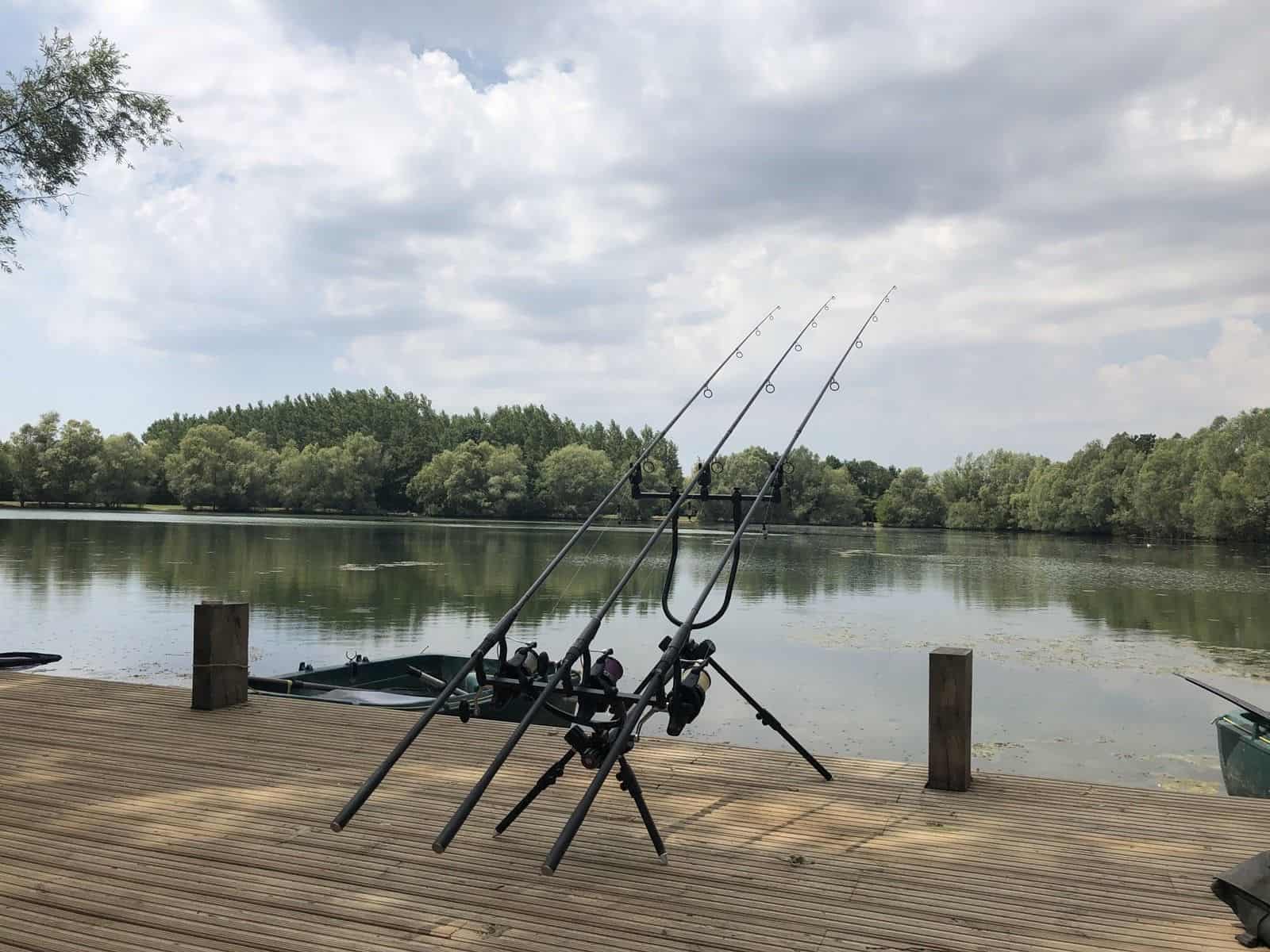
Most experienced carp anglers fish with two or three rods, and many UK fisheries allow up to three rods with the appropriate rod licence. However, buying three rods before you even know whether you enjoy carp fishing is an expensive gamble. Start with one, get comfortable with it, and then add a second rod when you feel ready. You can always build up to a matching set over time.
If you do decide to buy two rods from the start, that is perfectly fine and will allow you to cover more water and increase your chances of a bite. Just make sure they are the same model and test curve so that your casting feels consistent between the two.
Budget – How Much Should You Spend?
This is the question that every beginner asks, and the answer depends on your financial situation. However, I will say this: you do not need to spend a fortune to get a perfectly capable carp rod. The quality of budget carp rods available today is vastly better than what was available even ten years ago.
At the entry level, you can find perfectly functional carp rods for between thirty and sixty pounds. Brands like NGT, Daiwa (their entry-level ranges), and TF Gear all offer rods in this price range that will serve a beginner well. These rods will not have the refinement or performance of high-end models, but they will cast, play fish, and do everything you need them to while you learn the ropes.
In the mid-range bracket of sixty to one hundred and fifty pounds, you start to see rods with better blank materials, improved fittings, and more refined actions. Brands like Nash, Fox, Korda, and Shimano all have excellent offerings in this range. If your budget allows, this is the sweet spot for a beginner who wants a rod that will last for several years and still perform well as your skills develop.
Anything above one hundred and fifty pounds starts to move into enthusiast territory, and while these rods are undeniably lovely to use, the performance gains over a good mid-range rod are marginal for a beginner. Save your money for bait, tackle, and lake tickets instead.
Key Features to Look For
When you are comparing rods in the tackle shop, there are a few specific features worth paying attention to beyond the headline specifications of test curve and length.
The ring guides on the rod are important because they affect casting distance and line flow. Modern rods typically use either lined guides or micro guides. Lined guides with materials like silicon carbide are smoother and cause less friction on your line, which translates to better casting performance. Cheaper rods may use lower-quality guide liners that can develop grooves over time and damage your line.
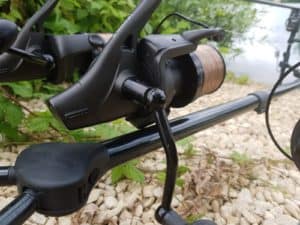
The reel seat is where your reel attaches to the rod. A good reel seat should hold your reel securely without any wobble. Screw-locking reel seats are the standard on modern carp rods and are far superior to the old sliding-ring style that some very cheap rods still use. Give the reel seat a wobble in the shop to make sure it feels solid.
The handle material is largely a matter of personal preference, but it does affect the overall feel of the rod. Cork handles have a traditional look and provide good grip, but they can deteriorate over time if not looked after. EVA foam handles are more durable, easier to clean, and are the preferred choice on many modern carp rods. Some rods feature an abbreviated or minimalist handle design, which reduces weight and gives a more direct feel when casting and playing fish.
Should You Buy a Rod and Reel Combo?
Many tackle shops and online retailers sell rod and reel combos specifically aimed at beginners. These can be excellent value for money and take the guesswork out of matching a rod with a suitable reel. The downside is that the quality of each individual component may be slightly lower than if you bought them separately at the same overall price point.
If you are on a tight budget and just want to get fishing as quickly as possible, a combo set is a perfectly sensible choice. Just make sure the rod in the combo meets the specifications I have outlined above, particularly regarding test curve and length. Some very cheap combo sets cut corners on the rod blank quality, and you may find that the rod feels dead and unresponsive, which takes the fun out of fishing.
Buying Second-Hand – Is It Worth It?
The second-hand carp tackle market in the UK is absolutely thriving, and it is one of the best ways to get high-quality gear at a fraction of the new price. Facebook groups dedicated to buying and selling carp tackle are incredibly active, and you can often find barely-used rods from top brands at half the retail price.
When buying second-hand, there are a few things to check. Inspect the blank for any cracks or chips, particularly around the guide wrappings and the tip section. Give the rod a gentle flex to feel for any flat spots or inconsistencies in the bend, which could indicate damage. Check that all the guides are intact and that their liners are not cracked or grooved. Finally, make sure the reel seat is in good condition and holds a reel firmly.
If you can pick up a quality second-hand rod from a reputable brand, you will often get a far better rod than buying new at the same price point. Just be cautious about buying from sellers who cannot provide photos or who are unwilling to let you inspect the rod before purchase.
My Recommendation for Your First Carp Rod
If you have read through this guide and still feel unsure, here is my straightforward recommendation. Go for a 12-foot rod with a 2.75lb test curve and a progressive action, from a reputable brand, in whatever price bracket your budget allows. This combination will cover the vast majority of fishing situations you will encounter in the UK, from small commercial fisheries to larger day-ticket venues.
Do not overthink it. The perfect rod does not exist, and the best rod is the one that gets you out on the bank catching fish and learning. You can always upgrade later when you have a better understanding of what you want from your gear. For now, focus on getting a solid, well-made rod that you can grow into, and go and enjoy the incredible sport of carp fishing.
Looking After Your Rod
Once you have invested in your first carp rod, looking after it properly will ensure it lasts for years. Always transport your rod in a padded rod sleeve or holdall to protect it from knocks and scratches. After each session, wipe down the blank with a damp cloth to remove dirt and grime, and check the guides for any signs of damage.
Store your rods horizontally in a dry place, never leaning against a wall at an angle, as this can cause the blank to develop a permanent set or bend over time. If you fish in the rain, make sure the rod is thoroughly dry before storing it to prevent corrosion on the guide fittings and reel seat.
With proper care, even a budget carp rod can give you many seasons of reliable service. Treat it well and it will look after you on the bank when that big fish finally picks up your bait.
Last Updated on March 11, 2026 by Shane
I have made a lot of mistakes during my fishing sessions and don't want you to make the same mistakes. I've learned the hard way over 20 years of fishing most weekends, testing, tweaking, and testing again and now want to help you excel with your carp fishing.
If you need any help, you can reach me at Fishing Again's Facebook page