

Gear · Carp care · Updated September 2026
The Best Carp Care Kit: Mats, Cradles, Slings, Scales and Antiseptic
The kit that keeps a carp safe from the net to the release, reviewed and ranked. What you need for your first session, what to upgrade to, and the three things I will not fish without.
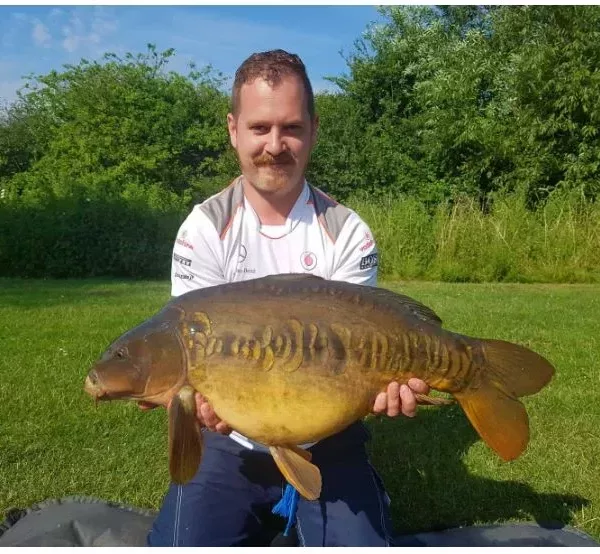
Carp care is the first thing to learn and the last thing anglers spend money on. I have used every kind of mat and cradle over twenty years and seen the damage that cheap kit and rough handling do on busy waters. The picks here are what I would put on the bank today.
The short answer
Buy three things before you buy anything else: a padded mat or cradle big enough for the largest fish in the lake, a floatation weigh sling, and a carp care kit with propolis antiseptic. The Nash Carp Cradle, the Fox Carpmaster STR sling and the Korda Carp Care Kit cover it for around £160. Add dial scales, forceps and a water bucket and you are set for years.

Best cradle
Nash Carp Cradle
Deep padded sides, raised off the ground, folds flat. The cradle to buy if you fish anywhere with a twenty in it.

Best weigh sling
Fox Carpmaster STR Floatation Sling
Floats with the fish in it, weighs in it, retains in it. One sling for three jobs.

Essential
Korda Carp Care Kit
Propolis antiseptic for hook holds and body damage in a kit that lasts years. Never fish without it.
Why the care kit matters more than the rig
The reason all of this matters is visible on any busy runs water: fish with split mouths and the parrot-mouth damage that comes from repeated rough handling, missing scales from a fish flapping on bare ground, and infected hook holds that never got a dab of antiseptic. Treat every fish as if it were the biggest in the lake and it will still be there for the next angler, and for you next season.
Every fishery insists on an unhooking mat and most now insist on a cradle for bigger fish, but the rules are the minimum. A mat that is too small for the fish, a dry mat, a sling that leaks, scales that swing the fish about: these are the things that hurt carp on the bank, and they are all avoidable for less than the price of a bag of bait.
The kit here covers the whole process from net to release. For the handling itself, read the carp care guide, which walks through playing, landing, unhooking, weighing, photographing and releasing a fish step by step.
The three things I will not fish without
What you actually need
Six items, in the order to buy them. A beginner needs the first three on the first session.
Mat or cradle
A two-foot padded mat is fine for small fish. Anything that could be a twenty wants a four-foot padded mat or a cradle with raised sides that stops the fish flapping off. A cradle is the better buy if you can stretch to it.
Weigh sling
A floatation sling floats with the fish in it, so it can rest in the margins while you set up, then lifts straight onto the scales. Zero the scales with the wet sling on before the fish goes in.
Carp care kit
Propolis antiseptic for hook holds and old damage, cotton buds to apply it, and a mouth and body treatment. Korda, Gardner and most brands sell a kit for £10 to £20 that lasts years.
Scales
Dial scales are simpler and do not need batteries; digital are easier to read in the dark. 60lb is enough for the UK; 120lb for France. Hang them from a tripod or hold them steady; never swing a fish.
Forceps and tools
Most hooks come out with fingers. For the one that does not, long forceps. A disgorger for small hooks and scissors for line complete the pouch.
Water bucket
A collapsible bucket to wet the mat, wet your hands, and pour over the fish while it is out. The most overlooked item on this list.
The seven pieces, reviewed
Two cradles, two slings, two sets of scales and the antiseptic kit. Prices are what Amazon was asking in September 2026.
1. Essential
Korda Carp Care Kit
Propolis is a natural antiseptic that seals hook holds and body damage, reduces inflammation and helps stop infection and fungus taking hold. The Korda kit gives you the liquid in 30ml bottles with applicators, and one kit lasts for years of fishing. Dab it on every hook hold, on any lifted scales, and on old damage you find on the fish, then hold it out of the water for a few seconds so it takes. It is the cheapest thing on this page and the one that does the most good.
Pros
- Works
- Lasts years
- Costs less than a bag of boilies
Cons
- Easy to forget to use it; keep it with the forceps
Verdict: Buy it, keep it in the unhooking pouch, use it on every fish.
Check price on Amazon2. Best cradle
Nash Carp Cradle
A cradle beats a mat because the deep padded sides stop a fish flapping off onto the bank and the raised base keeps it off cold, wet ground. The Nash cradle is the one I would buy: deep, well padded, big enough for a thirty, quick to fold flat and light enough to carry. Wet it before the fish goes in, kneel beside it to unhook and photograph, and the fish never leaves a soft, wet surface until it is back in the water.
Pros
- Stops fish flapping off
- Off the ground
- Folds flat
- Good value for a cradle
Cons
- Bulkier than a mat
- Needs wetting like any mat
Verdict: The best-value cradle on the market. If you fish for anything that could be a twenty, buy this before another rod.
Check price on Amazon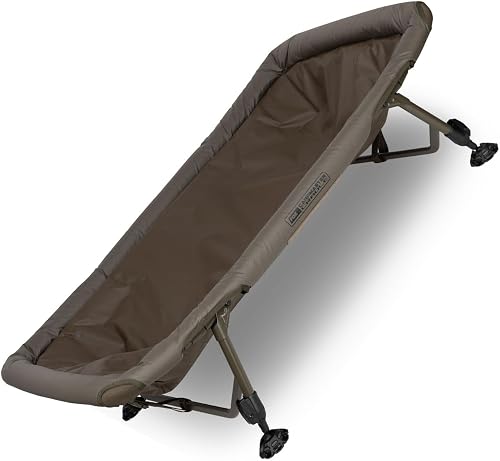
3. Best premium cradle
Fox Carpmaster Welded Cradle
The Carpmaster is the cradle you see on syndicate banks. The welded frame is rigid and stable on uneven ground, the padded sides are deep, the base is thick, and the size takes the biggest fish in Britain with room to spare. It costs nearly twice the Nash and it is heavier, and for most anglers the Nash does the job, but if you fish for very big fish and the cradle lives on the barrow, this is the one.
Pros
- Rigid on any ground
- Takes any UK carp
- Fox build
Cons
- Around £140
- Heavy
Verdict: The premium cradle. Worth it on a big-fish water; the Nash is enough elsewhere.
Check price on Amazon4. Best weigh sling
Fox Carpmaster STR Floatation Weigh Sling
The STR floats with the fish in it, so a carp can rest in the margin while you get the scales, cradle and camera ready, then it lifts straight onto the scales and back into the water for release. Mesh sides let water flow over the gills, the base supports the fish flat, and the handles are set so it hangs level on the scales. It replaces a separate weigh sling and retention sling, which is why I would spend the £60.
Pros
- Floats with the fish in it
- Weighs level
- Water flows over the gills
- Replaces two slings
Cons
- Around £60
- Bulky wet
Verdict: The sling to buy. Weigh, rest and release in one piece of kit.
Check price on Amazon
5. Best budget sling
NGT XPR Floating Weigh Sling
A floating weigh sling for half the price of the Fox. The mesh is coarser and the stitching is not in the same league, but it floats, it weighs, and it keeps a fish in the water while you sort yourself out. For a first season, or as a spare, it does the job. Check the seams before every session and retire it when they fray.
Pros
- Floats
- Half the price
- Fine for a first season
Cons
- Coarser mesh
- Check the seams
Verdict: The starter sling. Assessed on specification and buyer feedback.
Check price on Amazon
6. Best scales
Reuben Heaton Specimen Hunter 120lb
Reuben Heaton scales are the ones records get weighed on, and the Specimen Hunter is the model for the angler who wants a reading nobody argues with. A dial that reads in ounces, a 120lb capacity that covers France, no batteries, and a build that lasts a lifetime. Hang them from a tripod or a bank stick, zero with the wet sling, and lift steadily. Expensive for scales, and the last set you will buy.
Pros
- Accurate and trusted
- No batteries
- Lasts a lifetime
- 120lb for France
Cons
- Around £100
- Heavier than digital
Verdict: The scales to buy once. If a weight matters to you, these are the ones.
Check price on Amazon
7. Best value scales
Fox Dial Scales 60lb
A 60lb dial from Fox for a third of the Reuben Heaton price. They read in half-ounces, need no batteries, hang from a tripod, and 60lb covers anything you will catch in the UK. They are not certified for records and the mechanism is not as refined, but for the weekly weigh they are accurate enough and they last. The scales I would give a beginner.
Pros
- No batteries
- Accurate enough
- A third of the price
Cons
- 60lb only
- Not record grade
Verdict: The scales for most anglers. Assessed on specification and buyer feedback.
Check price on AmazonAll seven side by side
| Item | Type | Key feature | Price | Rating |
|---|---|---|---|---|
| Korda Carp Care Kit | Antiseptic | Propolis, lasts years | ~£20 | 10 |
| Nash Carp Cradle | Cradle | Deep sides, folds flat | ~£80 | 9.5 |
| Fox Carpmaster Welded Cradle | Cradle | Welded frame, large | ~£140 | 9 |
| Fox Carpmaster STR Sling | Weigh sling | Floats, weighs, retains | ~£60 | 9.5 |
| NGT XPR Floating Sling | Weigh sling | Floats, budget | ~£29 | 8 |
| Reuben Heaton Specimen Hunter | Scales | 120lb dial, record grade | ~£100 | 9.5 |
| Fox Dial Scales 60lb | Scales | 60lb dial, no batteries | ~£33 | 8.5 |
The rest of the care kit
Small items that complete the pouch, and the habits that matter more than any of them.
Forceps and tools
Most hooks come out with a finger. For the one that goes deeper, a pair of long stainless forceps, backed out along the line of the point rather than pulled. Keep a disgorger for small hooks and scissors for line in the same pouch as the antiseptic.
Water bucket
A collapsible bucket beside the mat to wet it before the fish arrives, wet your hands, and pour over the fish while it is out. Cold, wet and quick is the rule for everything a carp touches on the bank.
A padded mat for small waters
If you fish small commercials for fish under ten pounds and carry your kit, a padded mat is lighter than a cradle and enough. Wet it, kneel by it, and upgrade to a cradle the day you join a water with a twenty in it.
Keeping fish calm
Lay a wet cloth over the eyes of a fish that thrashes. Hold it firmly on the mat with wet hands, never hard. Let the fish do its fighting in the water, not on the bank; a carp netted too early is the one that flaps.
Time out of the water
As short as possible, a few minutes at most, and never walking about with a fish in a sling. Rest a fish in the floatation sling in the margins, not on the bank. Forty-five minutes is the absolute maximum in a retention sling; aim for fifteen.
Disinfect between waters
Dip your net, mat and sling in the lake or the fishery’s disinfectant bath when you arrive at a new water, and dry them between sessions. It is the simplest thing any of us can do to stop disease moving between fisheries.
Questions I get asked
Mat or cradle?
A cradle if the water holds fish over ten pounds; the raised sides stop the fish flapping off. A padded mat for small fish and mobile fishing. Either must be wet before the fish touches it.
Do I really need a carp care kit?
Yes. A dab of propolis on every hook hold reduces infection and helps the wound seal. It costs £20 and lasts years.
Digital or dial scales?
Dial needs no batteries and lasts for decades; digital is easier to read at night. Either way, hang them steady and zero with the wet sling on.
How long can a carp stay in a retention sling?
Fifteen to thirty minutes is sensible, forty-five the absolute maximum, in the water with flow over the gills, and never on the bank.
What size mat do I need?
Bigger than the largest fish in the lake. A two-foot mat for small fish, four feet or a cradle for anything that could be a twenty.
Barbed or barbless?
Whatever the fishery rules say. Barbless are easier to remove; barbed hold better and, backed out properly, do no more damage. Check the rules.
The verdict
Buy the Nash Carp Cradle, the Fox Carpmaster STR floatation sling and the Korda Carp Care Kit and you have covered fish care for years for around £160. Add Fox dial scales, a pair of forceps and a water bucket. Step up to the Reuben Heaton scales and the Fox Carpmaster cradle when you fish for fish whose weights matter.
Read next
Prices are indicative and change often. Buttons link to Amazon; as an Amazon Associate I earn from qualifying purchases. Read my affiliate disclosure and how I test.
Last Updated on September 11, 2026 by Shane Stanford
Shane Stanford has fished for carp for over twenty years, in the UK and in France, and currently fishes a private syndicate water in West Sussex. He writes Fishing Again to put the things he learned the hard way into plain language: location and watercraft first, then bait, rigs and gear. He is straight about which kit he has actually fished and which he has assessed on specification, and says so on the page.