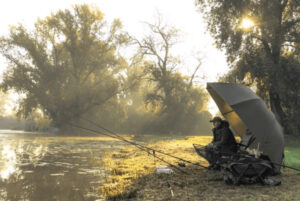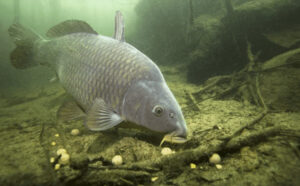

Surface fishing for carp is one of the most exciting and visual methods of catching fish available to any angler. There is nothing in fishing quite like watching a big carp cruise up to your floating bait, open its mouth, and suck it in right before your eyes. It is heart-pounding, addictive, and incredibly effective during the warmer months when carp spend time near the surface.
For beginners, surface fishing is also one of the most accessible methods because it requires minimal tackle, is easy to set up, and produces visible, exciting bites. If you have never tried it, this guide will explain everything you need to know to get started. And if you have tried it and struggled, hopefully the tips and techniques in this article will help you put more carp on the bank.
When to Surface Fish
Surface fishing is most effective during the warmer months, typically from late spring through to early autumn. When water temperatures rise above about fifteen degrees Celsius, carp become more active in the upper layers of the water and will readily feed on floating baits. The ideal conditions are warm, calm days with light cloud cover and gentle breezes.
Bright, sunny, high-pressure days are often the best for surface fishing. On these days, carp will bask near the surface, soaking up the warmth, and can often be seen cruising around in groups. Once you spot fish on the surface, you know they are in the mood and that surface fishing has a real chance of producing bites.
That said, surface fishing can work at any time during the summer, not just on sunny days. Overcast days can be productive if the temperature is warm, and early mornings and late evenings in summer can also produce surface-caught fish. The key is to look for fish activity on the surface and let the fish tell you whether they are interested in floating food.
Essential Tackle for Surface Fishing
Rod
You can surface fish with your standard carp rod, but a dedicated surface rod or a lighter rod makes the experience much more enjoyable. A rod with a test curve of around 1.75lb to 2.25lb is ideal because it provides enough backbone to play a big carp but is light enough to cast the light rigs used in surface fishing.
If you do not want to invest in a separate rod, your standard carp rod will work fine. You may just find it a little heavy and overpowered for the delicate presentations involved, but it will still catch fish.
Line
For surface fishing, a main line of 8lb to 10lb monofilament is ideal. This is lighter than the 12lb to 15lb line typically used for bottom fishing, but it is necessary because lighter line floats better on the surface and offers less resistance to the fish when it takes the bait. The lighter line also allows you to cast the small, light rigs used in surface fishing further and more accurately.
Some anglers use a floating line specifically designed for surface fishing. These lines are treated to stay on the surface rather than sinking, which keeps the line out of the way of the fish and makes controlling your bait easier.
Controller Floats
A controller float is a small weighted float that serves two purposes: it provides casting weight so you can get your bait out to the fish, and it acts as a visual indicator of a bite. Controller floats come in various sizes and weights, from small, subtle designs for close-range fishing to larger, heavier models for casting longer distances.
The most common type is a clear or semi-transparent controller that is less visible to the fish in the water. These are loaded with weight so they cast well but sit low in the surface film, making them less likely to spook wary carp.
For beginners, a mid-sized controller float that provides enough weight for comfortable casting to about thirty or forty yards is ideal. This covers most surface fishing situations on UK waters without being so large that it spooks the fish.
Baits for Surface Fishing
Bread
Bread is the original and arguably still the best surface bait for carp. A piece of crust torn from a fresh white loaf is cheap, readily available, and carp love it. The crust floats naturally on the surface and can be fished in a variety of sizes, from a small piece for cautious fish to a large chunk for targeting bigger carp.
The main advantage of bread is its naturalness. Crust sits on the surface in a very natural way, and carp seem to take it with confidence. The main disadvantage is durability. Bread softens quickly in water and can fall off the hook during casting, especially at longer range. This makes it best suited for close to mid-range surface fishing.
Dog Biscuits
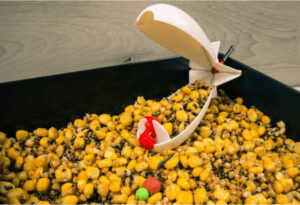
Dog biscuits, particularly the mixer biscuit type, are the most popular surface bait among carp anglers. They are cheap, float well, and can be used both as a hookbait and as loose feed to attract fish to the surface. When scattered on the water, dog biscuits create a floating carpet of food that draws carp up from the depths and gets them feeding confidently on the surface.
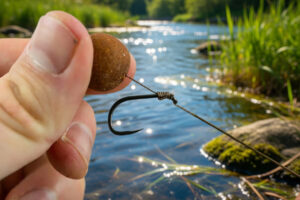
To use dog biscuits as hookbait, you can either drill a small hole through the biscuit and thread it on the hair, use a bait band to secure it to the hook, or use a special hook with a bait screw that holds the biscuit in place. Drilling is the most secure method and is easy to do with a small drill bit or a baiting needle.
To improve the attractiveness of dog biscuits, many anglers soak them in a flavoured liquid for a few hours before fishing. This softens them slightly and adds an extra layer of scent and flavour that can increase their appeal. Do not soak them too long or they will become soggy and sink.
Floating Pellets and Boilies
Floating pellets and specially made floating boilies are also effective surface baits. These are designed specifically for fishing and are often more durable and consistent than bread or dog biscuits. They are more expensive but offer the advantage of a predictable presentation and good durability on the hook.
How to Surface Fish – Step by Step
Step One – Find the Fish
Before you even think about tackling up, walk around the lake and look for carp on the surface. You are looking for fish that are clearly visible in the upper layers, either cruising, basking, or actively feeding. There is no point setting up for surface fishing if you cannot see any fish near the surface.
Step Two – Get Them Feeding
Once you have found fish, the next step is to get them feeding on the surface. Introduce a small amount of loose feed, such as dog biscuits or bread crumbs, onto the surface near the fish and watch how they react. At first, they may ignore the bait or approach it cautiously. Be patient and keep introducing small amounts of feed.
Eventually, one fish will take a floating bait, and this often triggers a competitive feeding response. Once one fish starts eating, others will join in, and within minutes you can have a group of carp enthusiastically slurping down floating baits. This is the moment you want to get your hookbait among them.
Step Three – Cast Your Hookbait
Set up your rod with a controller float and a hooklink of about three to four feet, with your chosen hookbait on the end. Cast your hookbait into the area where the fish are feeding. Try to land it among your loose feed so that it blends in with the free offerings.
Do not cast directly at a fish, as the splash and disturbance will spook it. Instead, cast beyond the fish and slowly draw the bait into position, or cast to one side and let the wind or current carry the bait towards the feeding area.
Step Four – Watch and Wait
This is where surface fishing gets incredibly exciting. Watch your bait sitting among the free offerings and wait for a carp to approach it. You will see the fish swimming towards the bait, and your heart rate will increase with every inch the fish gets closer. When the carp opens its mouth and sucks in your bait, you will see it happen in real time.
Step Five – Strike
When a carp takes your surface bait, resist the urge to strike immediately. Wait until you feel the weight of the fish on the line before sweeping the rod back firmly to set the hook. Striking too early, at the moment you see the fish take the bait, is the most common mistake in surface fishing and results in pulling the bait away from the fish before the hook has a chance to catch.
A good rule of thumb is to wait until you see the fish turn away with your bait in its mouth before striking. This pause, although it feels like an eternity in the moment, gives the hook time to settle in the lip and results in a much higher hookup rate.
Tips for Better Surface Fishing
Be Stealthy
Carp feeding on the surface are extremely wary. They are in shallow, exposed water where they feel vulnerable, and any sudden movement, noise, or disturbance will send them fleeing for the safety of deeper water. Move slowly, keep low, and avoid making sudden movements that could spook the fish. Wear dull, natural colours that do not stand out against the bankside vegetation.
Control Your Line
Loose line on the surface between your rod tip and your controller float can be a major problem. If the line drags on the surface or drifts across the path of feeding fish, it will spook them. Keeping your rod tip high to lift line off the surface, or sinking your line between the rod tip and the float, helps to reduce this problem.
Vary Your Bait
If carp are taking your free offerings but ignoring your hookbait, try changing the hookbait. Switch from a dog biscuit to a piece of bread crust, or try a different colour or size of floating bait. Sometimes carp can detect the hook or the unnatural weight of a rigged bait and will avoid it while happily eating the free offerings around it.
Fish Different Areas
Do not stay rooted in one spot all day. If the fish move, follow them. Surface fishing is an active method that rewards mobility and observation. Keep walking, keep watching, and keep your bait where the fish are.
Freelining
Freelining is the simplest form of surface fishing. Instead of using a controller float, you simply hook a piece of bread crust or a dog biscuit directly onto the hook and cast it out with no additional weight. The bait sits on the surface under its own buoyancy, and you watch for a carp to take it.
Freelining is only practical at close range because there is no casting weight, but for margin fishing and fishing tight to features near the bank, it is devastatingly effective. The total lack of terminal tackle means there is nothing unnatural to spook the fish, and a carp that takes a freelined bait will hook itself as it turns away with the bait in its mouth.
Final Thoughts
Surface fishing for carp is pure fishing at its most visual and exciting. It strips the sport back to its essence: you, the fish, and a floating bait. There are no bite alarms, no complex rigs, and no waiting for hours in a bivvy. Just the thrill of watching a carp take your bait off the top and the explosive fight that follows. If you have never tried surface fishing, make it a priority this summer. It might just become your favourite way to catch carp.
Last Updated on March 11, 2026 by Shane
I have made a lot of mistakes during my fishing sessions and don't want you to make the same mistakes. I've learned the hard way over 20 years of fishing most weekends, testing, tweaking, and testing again and now want to help you excel with your carp fishing.
If you need any help, you can reach me at Fishing Again's Facebook page