
Gear · Baiting tools
Fishing catapults: why cheap ones hurt, and what to use UK 2026
A catapult is the simplest way to feed a swim, and a cheap one is the quickest way to get hurt. Here is what makes a catapult safe and accurate, how to match it to your bait, and when a throwing stick or a baiting spoon is the better tool.

As an Amazon Associate I earn from qualifying purchases. Buttons link to Amazon UK and cost you nothing extra. Read my affiliate disclosure. Prices change daily, so I give price bands in words: click through for today's price.
- CoversSafety, pouches, elastic
- AlternativesStick, spoon, scoop
- Checked17 Nov 2026
- BasisSpecs + buyer feedback
- PricesLive on Amazon UK
Throwing bait by hand is fine in the margins. Beyond a couple of rod lengths you need a tool, and for loose feed out to medium range that usually means a catapult. The problem is that the cheapest catapults use poor elastic and weak frames, and when a band snaps at full stretch it comes straight back at your hand or face.
A snapped band at full stretch is not a mistake you make twice. Buy a proper catapult.
This page has been rewritten to explain what to look for and to link to specific tools that were on sale on Amazon UK when checked. One honest note: branded carp catapults are rarely sold on Amazon UK any more, so for the catapult itself you are usually better off at a tackle shop. The throwing stick and spoons below are on Amazon.
Safety first
The rule: never buy the cheapest catapult
A catapult stores a lot of energy in a short piece of elastic. If that elastic perishes, or a cheap pouch or frame joint fails, it snaps back at you. Buy from a known fishing brand, check the elastic every session, and replace it the moment it looks tired. Keep a spare in your bag.
Branded catapults are now hard to find on Amazon UK, so buy the catapult itself from a tackle shop where you can check the build. Spare elastic for the major brands is easy to get.
Top picks
The tools worth buying.
A throwing stick for range, a spoon for precision, and a scoop for loading.
NGT 20mm Throwing Stick
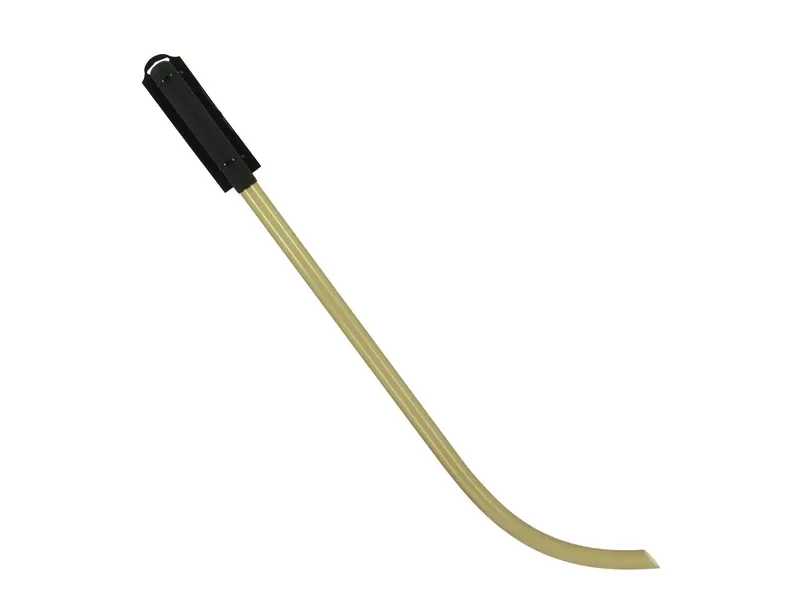
NGT 20mm throwing stick: puts single boilies well beyond catapult range.
Budget · Amazon 4.2 out of 5 from 92 ratingsCheck price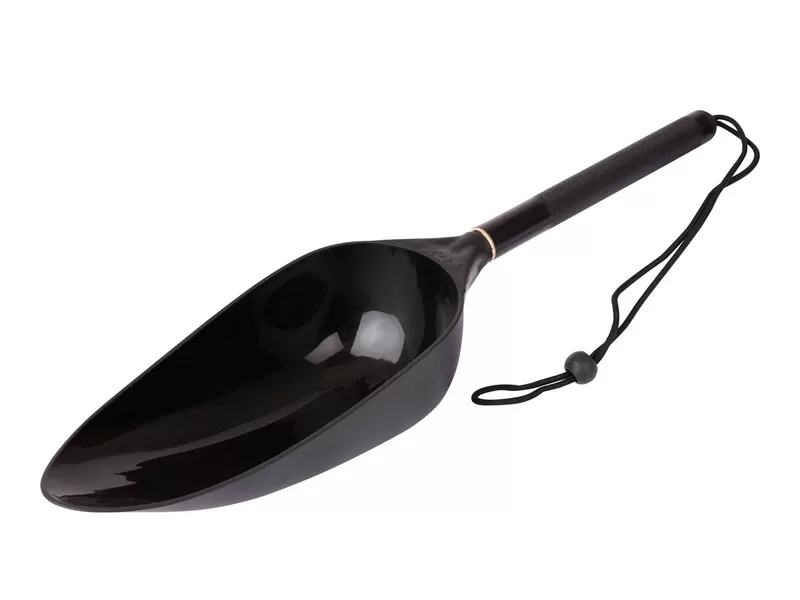
Fox Large Baiting Spoon
Fox large baiting spoon: exact placement with no disturbance.
Budget · Amazon 4.5 out of 5 from 104 ratingsCheck price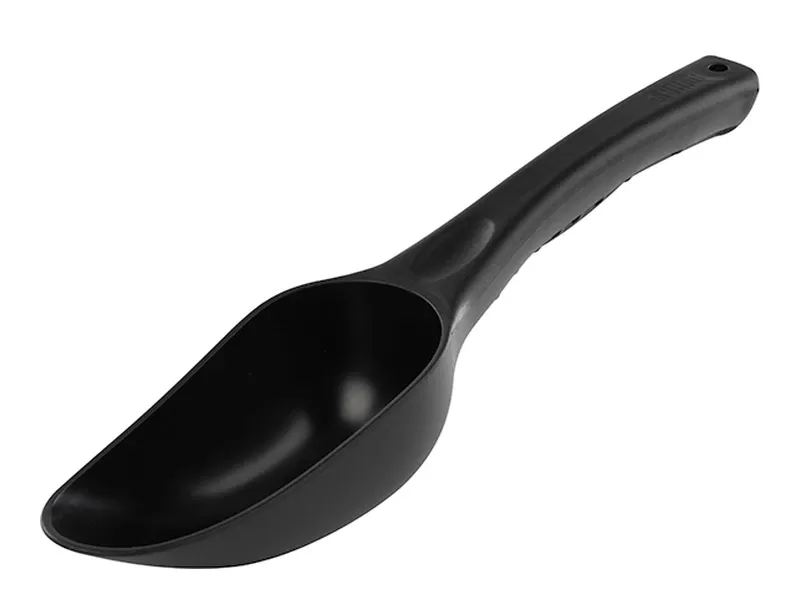
Spomb Scoop
Spomb Scoop: fast, tidy loading and close-range baiting.
Budget · Amazon 4.5 out of 5 from 28 ratingsCheck priceAlso recommended
Comparison
Three tools, side by side.
Specs from NGT and Fox product information and the Amazon UK listings, checked 17 November 2026.
| Tool | Best for | Range | Bait | Price band | Link |
|---|---|---|---|---|---|
| NGT 20mm Throwing StickBest for boilies at range | Single boilies at distance | Medium to long | 20mm-class boilies | Budget | Check price |
| Fox Large Baiting SpoonBest for close-in precision | Precise baiting close in | Margins, or long with a pole | Particles, pellets, boilies | Budget | Check price |
| Spomb ScoopBest for filling spods and boats | Loading spods and bait boats; margin baiting | Close in | Spod mix, particles, pellets | Budget | Check price |
The reviews
The tools, reviewed.
Three tools that do jobs a catapult cannot, all available on Amazon UK.
- Best for
- Single boilies at distance
- Range
- Medium to long
- Bait
- 20mm-class boilies
- Price band
- Budget
No. 01 / Best for boilies at range
NGT 20mm Throwing Stick
A throwing stick (or "cobra") flicks single boilies out much further than a catapult, with no elastic to snap. The curved head spins the bait as it leaves, which helps it fly straight. It takes practice to get accurate: the length of the stick and how hard you throw both change the distance.
NGT's 20mm stick is a polycarbonate tube with a non-slip rubberised handle for a secure grip with wet hands, used one or two-handed. The 20mm bore suits boilies up to around that size.
Pros
- No elastic to snap
- Much longer range than a catapult for boilies
- Non-slip handle
- Well rated on Amazon UK
Cons
- Takes practice to be accurate
- Only suits round, hard baits
The honest drawbackAccuracy comes slowly. Practise on an open spot before you try to hit a small area.
VerdictA cheap, safe way to get boilies out at range.
Check price- Best for
- Precise baiting close in
- Range
- Margins, or long with a pole
- Bait
- Particles, pellets, boilies
- Price band
- Budget
No. 02 / Best for close-in precision
Fox Large Baiting Spoon
For margins and tight spots, nothing is more accurate than a baiting spoon. Lower the bait exactly where you want it and there is no splash or scatter. Fitted to a landing net handle or a dedicated pole, a spoon can also bait further out with complete precision.
Fox's spoon has a robust, lightweight cast head and a ribbed aluminium handle with a loop. It is also handy for filling spods, Spombs and bait boats, and for mixing bait.
Pros
- Pinpoint placement
- No disturbance
- Doubles as a mixing and loading spoon
- Well rated on Amazon UK
Cons
- No range on its own
- Needs a pole or net handle for distance
The honest drawbackIt gives up all range for precision. It complements a catapult rather than replacing it.
VerdictThe quietest, most accurate way to bait a margin spot.
Check price- Best for
- Loading spods and bait boats; margin baiting
- Range
- Close in
- Bait
- Spod mix, particles, pellets
- Price band
- Budget
No. 03 / Best for filling spods and boats
Spomb Scoop
Spomb's Scoop is a moulded spoon built for loading spods, Spombs and bait boats quickly without spilling half the mix on the bank. It also works well for baiting close in.
See Spombs and spods reviewed for when to switch from a catapult to spodding.
Pros
- Fast, tidy loading
- Sized for spods and Spombs
- Light and robust
- Good Amazon UK rating
Cons
- Short handle
- Not for distance baiting
The honest drawbackA scoop, not a long-range tool.
VerdictA small tool that makes spodding much tidier.
Check priceBuying guide
Choosing a safe catapult.
Safety, pouches, elastic, and when to switch tools.
Why cheap catapults are dangerous
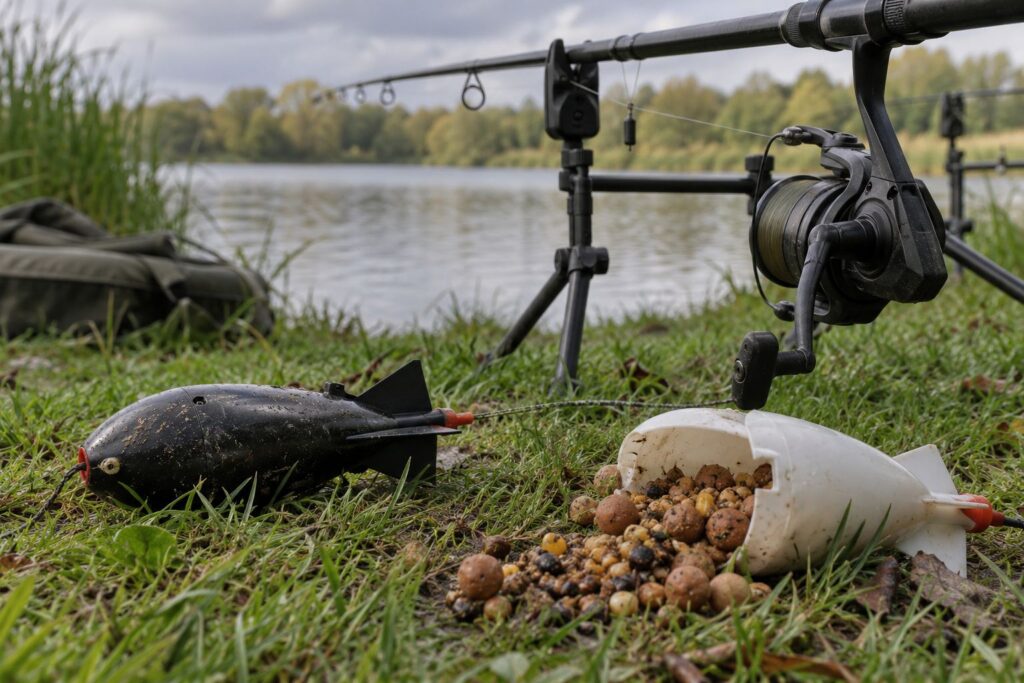
Poor elastic perishes and snaps, and weak frames and pouch joints fail under load. When a band breaks at full stretch it whips back towards your hand and face. Buy a catapult from a known fishing brand, check the elastic for nicks and fading before every session, and replace it as soon as it looks tired. Wearing glasses or sunglasses when you feed is a sensible habit.
Pouch: match it to the bait
A rigid, cupped pouch holds maggots, casters and small particles together so they land in a tight group. A soft mesh pouch suits pellets and small balls of groundbait. Boilie catapults have a larger, deeper pouch that releases a few baits cleanly.
Elastic: match it to the bait
Use heavier elastic for boilies and big pellets at range, and lighter elastic for particles and maggots, which scatter if pulled too hard. Most branded catapults sell spare elastic in light, medium and heavy grades.
Know when to switch tools
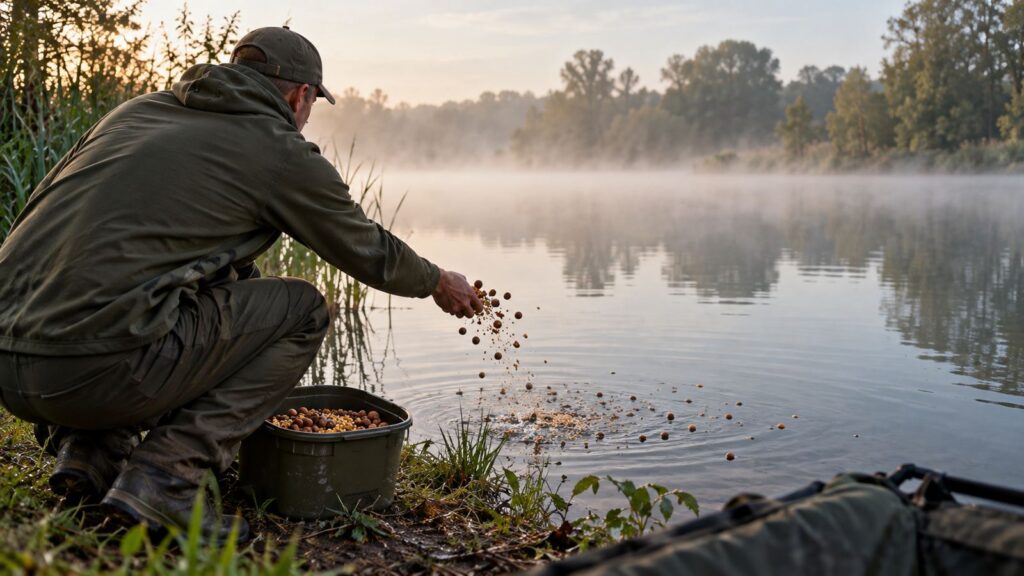
As a rough guide: a spoon for the margins, a catapult for particles and pellets at short to medium range, a throwing stick for boilies at distance, and a spod or Spomb when you need a lot of bait in one place at range. See what spodding is and when to do it.
Bait boats
Where fisheries allow them, bait boats are the most accurate way to put a lot of bait in one place at range. Check the rules first, because many venues ban them. See are bait boats worth it?
Method
How I chose
I have not used every tool on this page, and I am not going to pretend I have. They are chosen on the manufacturers' published specifications and Amazon UK buyer feedback, following my how I test rules. I looked for:
- safety (no cheap elastic to snap)
- a clear baiting job each tool does well
- build quality
- Amazon UK star ratings and the number of buyers behind them
Every tool was on sale on Amazon UK when I checked on 17 November 2026, and every button goes straight to that product's page. Product photos are the brands' own studio images, credited under each one, so you can see exactly which product I mean. Click through to Amazon for the current listing and price.
FAQs
Questions, answered.
What anglers ask most, with straight answers.
Why are cheap fishing catapults dangerous?
Cheap elastic and weak frames fail under load. When a band snaps at full stretch it whips back at your hand or face. Buy from a known brand and check the elastic every session.
What catapult is best for boilies?
A boilie catapult with a large, deep pouch and heavy elastic. For single boilies at real distance, a throwing stick goes further and has no elastic to snap.
How far can you catapult boilies?
It depends on the catapult, the elastic and the bait, and on wind. Beyond comfortable catapult range, switch to a throwing stick or a spod.
Which pouch is best for maggots?
A rigid, cupped pouch. It keeps maggots and casters together so they land in a tight group instead of spraying everywhere.
How often should I change catapult elastic?
As soon as it looks faded, sticky or nicked. Check it before every session and carry a spare.
Is a throwing stick better than a catapult?
For single boilies at distance, yes. For particles, pellets and groundbait, a catapult is better.
The verdict
The short version.
Never buy the cheapest catapult you can find. Buy a branded catapult from a tackle shop, match the pouch and elastic to your bait, and check the elastic every session.
For boilies at distance, the NGT throwing stick is safer and goes further. For the margins, a Fox baiting spoon is the most accurate tool you can own.
Read next

About the author
Written by Shane Stanford
Shane has fished for carp for over twenty years in the UK and France and currently fishes a syndicate water in West Sussex. He writes Fishing Again to put the practical, honest advice he wishes he had been given in one place. About Shane · How I test
Updated 17 November 2026. Specs checked against manufacturer and Amazon UK listings on that date.
Prices and availability change often. As an Amazon Associate I earn from qualifying purchases. See my affiliate disclosure.
Last Updated on November 17, 2026 by Shane Stanford
Shane Stanford has fished for carp for over twenty years, in the UK and in France, and currently fishes a private syndicate water in West Sussex. He writes Fishing Again to put the things he learned the hard way into plain language: location and watercraft first, then bait, rigs and gear. He is straight about which kit he has actually fished and which he has assessed on specification, and says so on the page.