

Pike fishing is a fantastic way to enjoy the outdoors and test your skills as an angler. If you’re thinking about giving pike fishing a try, then this blog post is for you! Here, we’ll cover everything you need to know about pike fishing, from the best time of year to go pike fishing to what you need for the perfect pike fishing trip. So, read on and learn all there is to know about pike fishing!
- Pike fishing is mainly done between October and the following March
- A Pike angler has his best sport when catching a Pike at its peak
- Fish make up the bulk of a Pike’s diet, but they will eat amphibians, mammals, and birds, as well as their own kind
- When floods come or the weather is freezing, a healthy Pike can wait it out easy going without food for a month
- For most, the best place to fish for Pike is in a river
- What does work are simple low-resistance rigs, along with a roving approach by an alert angler
- Most of the time expect to catch a Pike of five to ten pounds.
Pike fishing is a great way to enjoy the outdoors and test your skills as an angler. If you’re thinking about giving pike fishing a try, then this blog post is for you! Here, we’ve covered everything you need to know about pike fishing, from the best time of year to go pike fishing to what you need for the perfect pike fishing trip. So, read on and learn all there is to know about pike fishing!
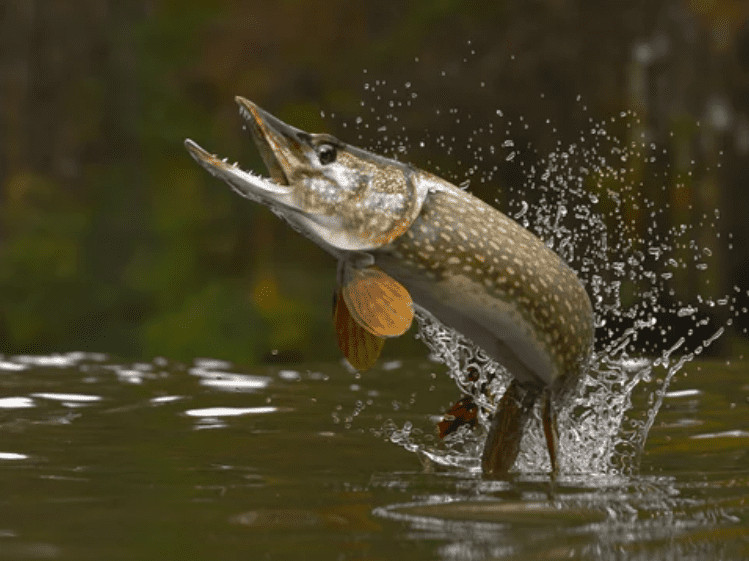
Pike fishing is mainly done between October and the following March
As the weather gets colder, many fishermen begin to pack up their gear and head indoors. But for those who enjoy pike fishing, this is the time of year to get out on the water. Pike is a type of freshwater fish that are common in northern lakes and rivers. They are considered to be a challenging catch, and as a result, pike fishing is mainly done between October and the following March. During this time of year, the pike is more active and less likely to be spooked by noise or movement. As the water begins to freeze over, they will also congregate in areas where there is open water. This makes it easier for fishermen to find them and increases the chances of landing a big one. So if you’re looking for a winter fishing adventure, don’t forget about pike season.
A Pike angler has his best sport when catching a Pike at its peak
The best time to fish for pike is in the spring and early summer when they are actively feeding on smaller fish. During this time, pike anglers can have great success using a variety of techniques, including trolling, live bait fishing, and casting lures. Pike are also frequently caught during the fall months when they are preparing for the winter slowdown. For anglers who want to target pike specifically, late summer and early fall can be excellent times to fish. During this period, the pike is often found in large schools and can provide exciting action for anglers willing to put in the time to find them. Overall, the best sport for pike anglers is typically during the spring and early summer months, when pike are most active and willing to bite.
Fish make up the bulk of a Pike’s diet, but they will eat amphibians, mammals, and birds, as well as their own kind
Fish are an important part of a pike’s diet. Pikes are carnivorous fish and mostly eat other fish. They are ambush predators, meaning they wait for their prey to swim by and then they attack. Pikes have long, sharp teeth that they use to tear their prey apart. They will also eat amphibians, mammals, and birds, as well as their own kind. Pikes are solitary hunters and prefer to hunt in low-light conditions. When hunting, pikes will often lie in wait for hours, motionless in the water, before striking their prey.
When floods come or the weather is freezing, a healthy Pike can wait it out easily going without food for a month
Pike are a type of freshwater fish that are well-adapted to survive in extreme conditions. When floods come or the weather is freezing, Pike can wait it out easily, going without food for a month. This is because Pike has a high level of fat in their bodies, which helps them to stay warm and provides energy during periods of fasting. In addition, Pike has a special types of scales that protect them from the cold and help them to move easily through the water. As a result, Pike is able to withstand harsh conditions that would be deadly for other fish.
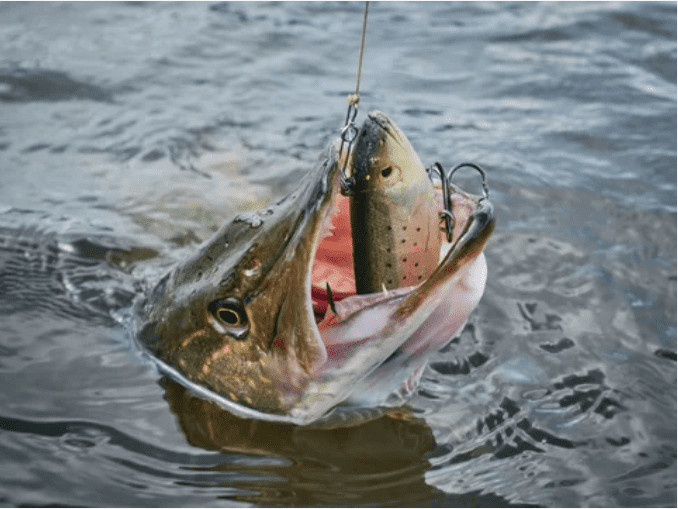
For most, the best place to fish for Pike is in a river
Fishing is a popular pastime for many people, and there are a variety of different ways to do it. Some people prefer to fish in lakes, while others prefer the challenge of fishing in a river. For most fishermen, the best place to fish for Pike is in a river. River fishing requires more skill than lake fishing, as the faster current can make it difficult to keep your bait in one place. However, the reward is usually worth the effort, as river fish tend to be larger and more plentiful than those in lakes. In addition, the flowing water helps to wash away debris and weed growth, making it easier to see and catch fish. So for those looking for a more challenging and rewarding fishing experience, a river is the best place to start.
What does work are simple low-resistance rigs, along with a roving approach by an alert angler
In the world of fishing, there is always some newfangled contraption that promised to revolutionize the sport and make it easier than ever to haul in a big catch. However, more often than not, these gadgets turn out to be nothing more than gimmicks. So, what does work when it comes to fishing? The answer is simple: low-resistance rigs and a roving approach by an alert angler. Low-resistance rigs are designed to minimise the amount of drag on the line, making it easier for fish to take the bait. And an alert angler is always on the lookout for signs of fish activity, so they can cast their line in just the right spot. By using these two simple techniques, any angler can improve their chances of success.
Most of the time expect to catch a Pike of five to ten pounds.
Pike are a popular game fish, known for their voracious appetites and tenacious fights. They are found in lakes and rivers across North America, and anglers often target them with live bait or lures. When it comes to size, most pike fall between five and ten pounds. However, it is not uncommon to catch fish that weigh less than five pounds or more than ten pounds. In fact, the world record pike weighed in at over 46 pounds! Regardless of size, pike is considered excellent table fare, and their flesh is mild-tasting with a firm texture. So next time you head out on the water in search of pike, remember that while most of the time you can expect to catch fish that weigh five to ten pounds, you just might end up reeling in a real trophy.
Pike fishing – How to catch Pike
When is the best time of year to go Pike fishing?
This really depends on where you are in the world. For example, in Europe, the best time to catch Pike is from late October through to early December. In North America, the Pike fishing season generally runs from May through to September.
What tackle do I need for Pike fishing?
This will vary depending on where in the world you are and what type of fishing you want to do. For example, if you’re fly fishing for Pike in Europe then you’ll need a different set-up from someone who’s spinning for them in North America. However, there are some general tips that apply no matter where you fish or what method you use. Firstly, use a strong rod – Pike are powerful fish and they will test your tackle to the limit. Secondly, use a reel with a good drag system – you don’t want your Pike getting away because your reel can’t handle the strain. And finally, use a line that’s appropriate for the size of fish you’re targeting. For Pike, we recommend using a line that’s at least 20lb breaking strain.
List of equipment need for pike fishing
- Fishing rod
- Fishing reel
- Line (20lb breaking strain)
- Lures (spinners and spoons)
- Live bait (frogs, minnows, suckers and perch)
- Landing Net
- Unhooking Mat
- Forceps
- Patience!
What Bait Should I Use for Pike?
This will depend on the type of fishing you’re doing and what’s working at the time. In general, though, live bait is always a good option when fishing for Pike. Common live baits include frogs, minnows, suckers and perch. If you’re fishing with lures, then spinners and spoons are often effective.
How can I tell if a Pike is biting?
Pike have sharp teeth, so they can be difficult to hook. However, there are a few tell-tale signs that a Pike is biting. Firstly, you’ll feel a series of short, sharp tugs on the line. Secondly, you may see the tip of your rod jerking violently as the Pike tries to shake the bait free. If you think you’ve got a bite, then reel in slowly and carefully – if the fish is still there then it will usually hook itself.
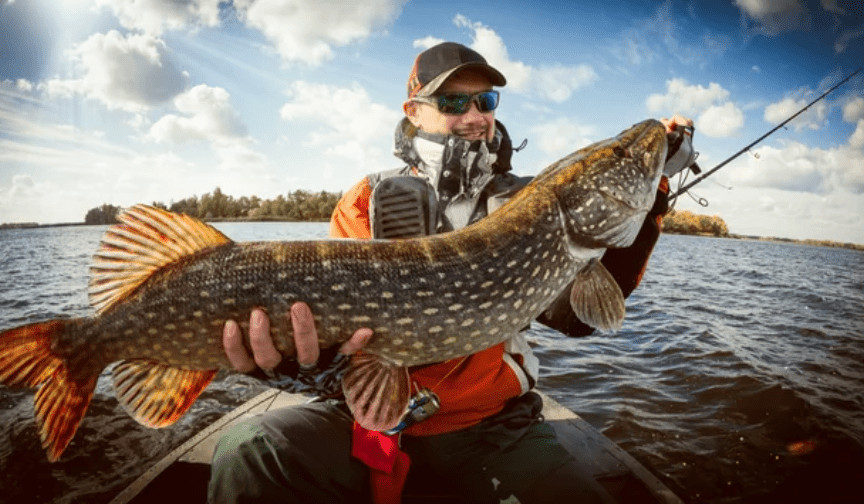
How to Handle Pike Fish
Pike are powerful fish with sharp teeth, so it’s important to handle them carefully. When you’ve hooked a pike, reel it in slowly and carefully. Once you’ve got the fish on the bank, use a landing net to help you bring it in. After that, you’ll need to unhook the pike using a pair of forceps. Be careful not to touch the fish with your bare hands, as its teeth can be quite sharp. Finally, place the pike on an unhooking mat so that you can safely release it back into the water.
Where to find Pike in rivers
Pike can be found in most freshwater rivers, lakes, and reservoirs. They tend to prefer areas with slow-moving water and plenty of cover, such as weeds, logs, or rocks. When fishing in rivers, look for deep pools with plenty of vegetation – Pike will often lurk in these areas waiting to ambush their prey.
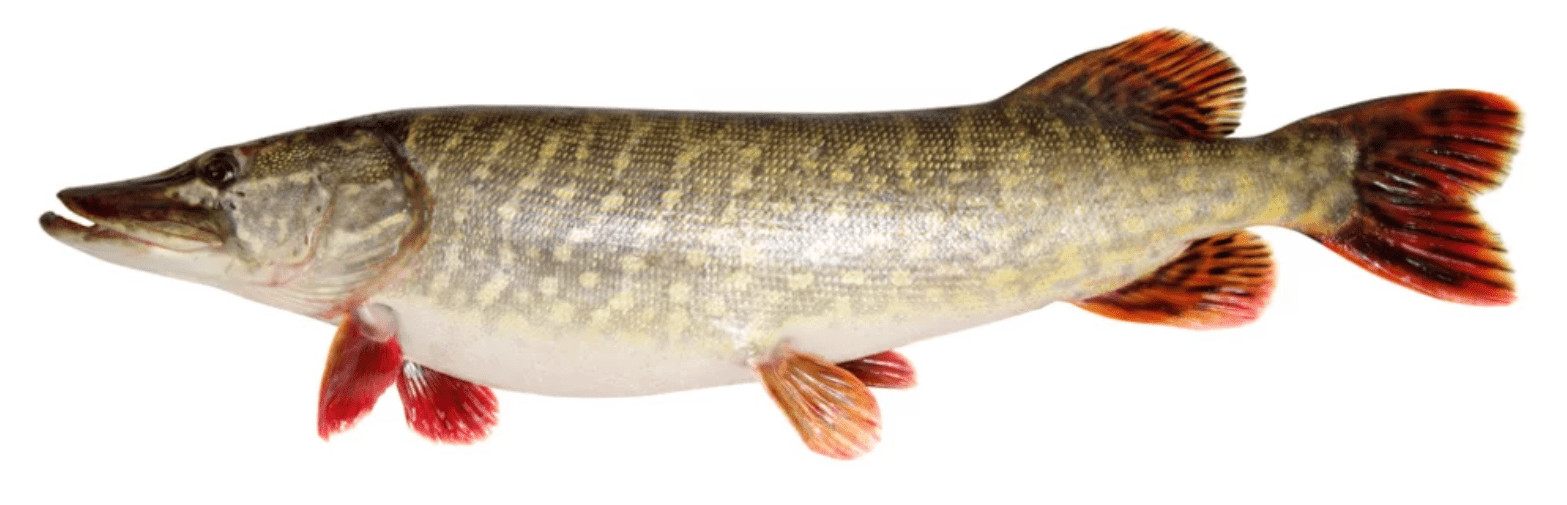
What does a Pike look like
Pike are long, slender fish with a greenish-brown back and white underside. They have distinctive elongated heads, and their mouths are filled with sharp teeth. Pike can grow to be quite large – the world record is held by a fish that was caught in Germany in 1986, which weighed in at 41.5kg (91lbs). Pike fishing in winter – Pike can be caught all year round, but winter is often the best time to target them. This is because Pike is more active in cold water, and they also tend to congregate in large numbers. When fishing for Pike in winter, use lures such as spinners and spoons.
Some interesting facts about Pike, Pike are carnivorous fish that feed on smaller fish, amphibians, and reptiles. Pike are ambush predators – they lie in wait for their prey before attacking. Pike are popular game fish, and anglers often target them for their powerful fighting ability. Pike are long-lived fish – the oldest recorded Pike was over 50 years old. Pike are popular game fish because they put up a good fight when caught. They have sharp teeth and strong jaws, so they can be difficult to land. However, the rewards are definitely worth it.
Why You Should Try Pike Fishing
Pike fishing is a great way to test your skills as an angler. It can be challenging, but the rewards are definitely worth it. Pike are powerful fish that put up a good fight, and they’re also excellent table fare. So if you’re looking for a new challenge, then give Pike fishing a try – you won’t be disappointed.
Do You Need a Trace Wire for Pike Fishing
You don’t necessarily need a trace wire for pike fishing, but it can be useful. Trace wire helps to protect your line from being cut by the pike’s teeth. It also makes it easier to remove the hooks if they become tangled in the fish’s mouth. If you’re using live bait, then you’ll need to use a heavier gauge trace wire so that the pike can’t bite through it.
What is the Best Rod for Pike Fishing
There is no one-size-fits-all answer to this question, as the best rod for pike fishing will depend on a number of factors. These include the type of water you’re fishing in, the size of the fish you’re targeting, and your personal preferences. However, as a general rule, a medium to heavy action rod is a good choice for pike fishing. This will give you the power and strength you need to land these powerful fish.
What Size Hooks for Pike Fishing
The size of hooks you’ll need for pike fishing will depend on the size of the fish you’re targeting. For example, if you’re fishing for smaller pike, then you’ll need smaller hooks. The most important thing is to use sharp hooks so that the pike can’t easily slip out of them. A good rule of thumb is to use hooks that are one size bigger than the bait you’re using. So, if you’re using minnows as bait, then use size 6 hooks.
What Size Reel for Pike Fishing
The size of the reel you’ll need for pike fishing will depend on the type of water you’re fishing in, the size of the fish you’re targeting, and your personal preferences. In general, though, a medium to large-sized reel is a good choice for pike fishing. This will give you the power and strength you need to land these powerful fish.
What Strength Braid for Pike Fishing
The strength of the braid you’ll need for pike fishing will depend on the type of water you’re fishing in, the size of the fish you’re targeting, and your personal preferences. In general, though, a medium to high-strength braid is a good choice for pike fishing. This will give you the power and strength you need to land these powerful fish.
What Line for Pike Fishing
The type of line you’ll need for pike fishing will depend on the type of water you’re fishing in, the size of the fish you’re targeting, and your personal preferences. In general, though, a medium to heavy-duty line is a good choice for pike fishing. This will give you the power and strength you need to land these powerful fish.
Further Reading
- The Best Carp Fishing Trousers and Bib and Braces
 Updated September 2026. Staying warm and dry from the waist down matters more than most anglers admit, and a decent pair of winter trousers or a bib and brace makes long, cold sessions genuinely bearable rather than something to endure. Trousers or Bib and Brace A bib and brace covers the torso as well as… Read more: The Best Carp Fishing Trousers and Bib and Braces
- The Best Fishing BrolliesUpdated September 2026. A good brolly earns its keep the moment the weather turns, and the right size and pitching system make the difference between a dry, comfortable session and a damp, miserable one. Oval or Round Oval brollies give more usable space at the front for a chair, cooking kit and gear without needing… Read more: The Best Fishing Brollies
- The Best Big Pit ReelsUpdated September 2026. A big pit reel earns its keep the moment a swim demands real distance, and the large, shallow-taper spool that defines the category makes long casting noticeably easier than a standard-sized fixed-spool reel. What Makes a Reel “Big Pit” Big pit reels use a wide, shallow spool that lets line peel off… Read more: The Best Big Pit Reels
- The Best Carp Rods Under £100Updated September 2026. A budget carp rod under £100 can genuinely compete with pricier options for most UK stillwater fishing, provided it matches your usual casting range and lake bed rather than chasing headline test curve figures. What Matters at This Price Below £100, the differences between rods come down to blank quality, guide and… Read more: The Best Carp Rods Under £100
- The Best Carp Fishing GiftsUpdated September 2026. The best carp fishing gifts are ones that actually get used on the bank, and a small, genuinely practical item usually beats an expensive one bought without knowing exactly what the angler already owns. Useful Beats Novelty A gift that solves a real bankside annoyance, such as cold hands, a flat phone… Read more: The Best Carp Fishing Gifts


Last Updated on September 10, 2026 by Shane Stanford
Shane Stanford has fished for carp for over twenty years, in the UK and in France, and currently fishes a private syndicate water in West Sussex. He writes Fishing Again to put the things he learned the hard way into plain language: location and watercraft first, then bait, rigs and gear. He is straight about which kit he has actually fished and which he has assessed on specification, and says so on the page.


