
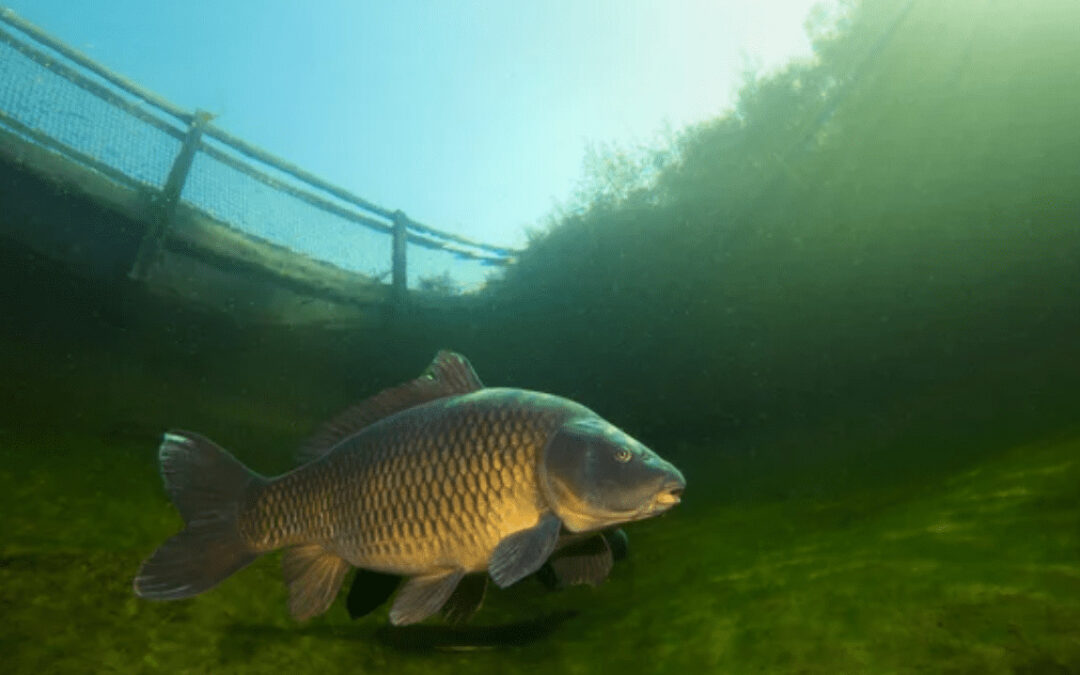
Stalking tips for carp fishing can be the difference between a successful fishing trip and a disappointing one. Knowing the best strategies, finding an optimal spot, using small bait, being patient, and staying quiet are all essential components of a successful carp fishing experience. Here is your guide to becoming a master angler in no time. With the right knowledge and practice, you can catch plenty of carp and make your fishing trip a success. Read on to learn the best tips and tricks for successfully stalking carp!
Updated September 2026. Two older posts on stalking and margin fishing have been folded into this guide so the tactics, the tackle and the baits are together. They redirect here.
What does it mean to stalk fish?
Stalking is a fishing technique in which the fisherman approaches their target carefully and quietly, usually using natural cover to remain undetected by fish.
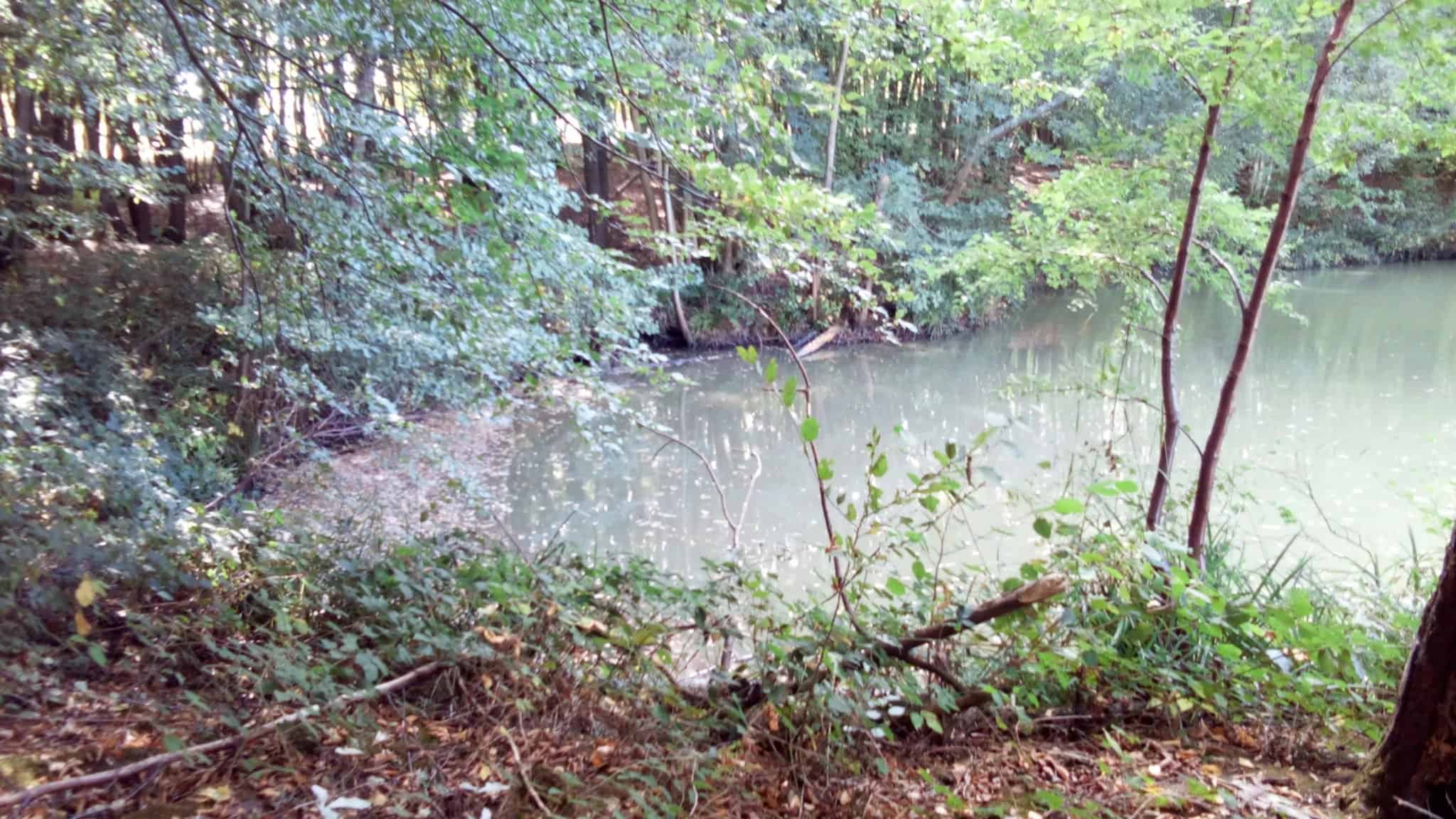
How do you stalk carp?
When stalking carp, it’s important to remember these key points:
1. Move Slowly – Moving quickly may scare away the fish before you even get close enough for a good cast. Take your time and move as slowly and quietly as possible.
2. Be Stealthy – Keep low to the ground, make sure you don’t cast a shadow over the water, and avoid making loud noises like snapping twigs or crunching leaves. Casting out of sight of the carp is also recommended.
3. Look for Signs of Fish – Once you’ve located a likely spot for carp, look for signs that they are present: bubbles on the water surface, rises, and swirls or movement in the margins.
4. Observe Locally – Look at how other fish are behaving in the area before casting your line. Are they feeding? If so, what bait might they be attracted to?
5. Change Tactics – If you don’t seem to be having much luck, try changing your tactics. Using different baits and lures can help attract fish in a variety of conditions.
By following these tips and using the right equipment, you can increase your chances of catching carp when stalking.
Look for areas where there is little to no human activity when carp fishing
The number one thing to remember when it comes to stalking tips for carp fishing is to find the quiet areas on the lake.
Carp are notoriously difficult to catch, and the challenge of landing one of these elusive fish can be very rewarding.
However, as with any type of fishing, there are certain things that you can do to increase your chances of success.
One of the most important factors is to choose an area where there is little to no human activity.
Carp are very sensitive to noise and disturbance, and they will often avoid areas where there is a lot of activity.
That means that the best spots for carp fishing are usually quiet and secluded places where you’re unlikely to see other people.
So if you’re looking for a great spot to fish for carp, make sure to look for an area where there is little to no human activity.
The fish are most active in the morning, so try to get there early
Stalking tips for carp fishing involve having the right mindset.
Anyone who’s ever tried to catch fish knows that they can be quite elusive.
They tend to bite when they feel hungry, and that can be hard to predict.
However, there is one time of day when fish are generally more active, and that’s in the morning.
The cooler water temperature makes them more comfortable, and they’re also more likely to be searching for food.
For those reasons, it’s often best to set out early if you want to have a successful fishing trip.
Of course, there are always exceptions to the rule, so it’s important to pay attention to your surroundings and see what the fish are doing.
But if you’re looking for the best chance to catch something, heading out early in the morning is usually a good bet.
Use a small bait so that the fish won’t be scared off
If you’re fishing in an area with a lot of fish, using piles of bait can be a good way to get the fish competing over the bait.
Weary fish are more likely to be attracted to smaller bait, so using a bait that’s too big can actually result in fewer bites.
So, if you’re looking to maximize your chances of success, it’s generally best to use a small bait.
Be patient and don’t move around too much – the fish will come to you
One of the most important things to remember when fishing is to be patient and don’t move around too much.
The fish will come to you if you give them a chance.
If you keep casting your line in different locations, you’ll just end up disturbing the area and making it harder for the fish to bite.
So find a good spot and wait patiently for a bite. It’ll be worth it when you finally reel one in!
Once you’ve caught one, the other will soon come if you are quiet
When it comes to catching fish, using bait can be a helpful strategy.
If you’re able to catch one fish, you will likely catch more in quick succession.
This is because fish are attracted to the movement and other feeding fish competing for food, so fish feeding on a spot can draw other fish in.
Stalking Tackle and Tactics in Detail
The kit
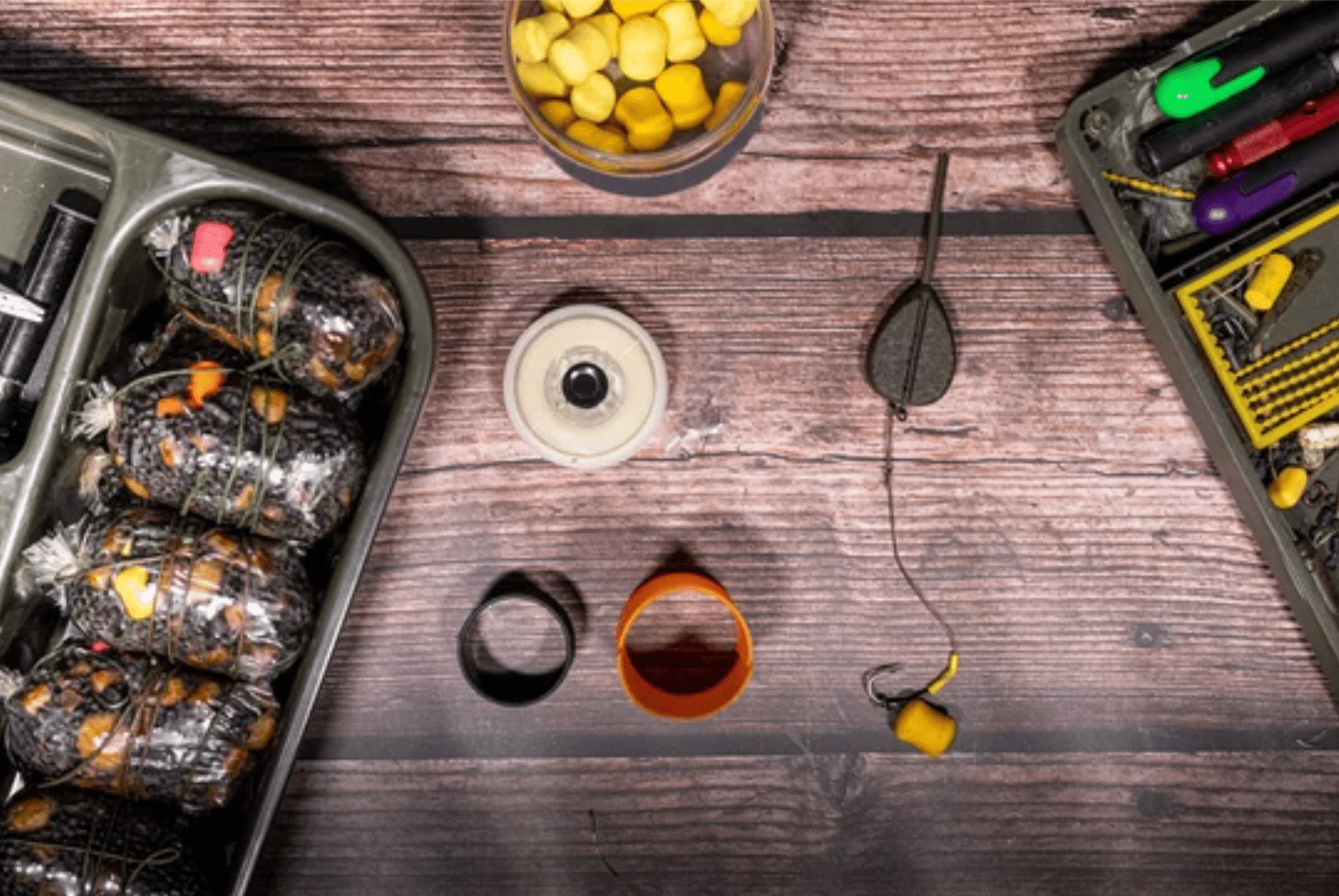
Stalking is the one branch of carp fishing where a short rod is better. A six to nine foot rod of around 2.75lb, such as the Nash Scope or Dwarf, lets you poke a bait through a gap in the reeds and steer a fish away from a snag without the tip catching every branch. Pair it with a small reel, a 2600 or 4000 size, loaded with fluorocarbon or a sinking mono, and carry half-ounce to two-ounce leads, a couple of swan shot to pin the line down, a tub of putty, size six to eight hooks and a small landing net you can reach with one hand. Everything goes in a small rucksack or a bucket. If you cannot carry it in one trip, you have too much.
Finding and approaching fish
Walk slowly, wear dark clothing, keep off the skyline and use the polarised glasses before every step, not after. Look under overhanging trees, along reed beds, in lily pads and in the dark water under the near bank. When you find fish, stop. Watch for at least ten or fifteen minutes to see how confident they are and which way they are patrolling before you introduce anything. Then put a few baits three feet or so from the fish, not on top of them, and wait until they have found and eaten them before you lower a hookbait in. Cast underarm or sideways from behind cover, never overhead, and never directly at a fish.
Rigs
Keep it short and simple: a four-inch hooklink rather than the usual seven or eight, a small lead or none at all, and the line pinned to the bottom with a back lead or shot so the fish do not brush it. Free-lining a piece of bread or a lump of paste with no lead at all is deadly in dark margin water. If you want a bolt effect, a small inline lead does it; if there is a snag within reach, fish locked up and hold on. A short hooklink and a heavy lead is the closest thing to a stalking rig I own.
Baits
Bread, because carp associate it with safety and it can be seen from a distance. Pepperami and other meat baits, because they last on the hook and fish rarely see them. Soaked or washed-out boilies, a few broken up and scattered as a trail of five to ten metres leading to the hookbait. Pineapple or bright pop-ups over dark silt. Small pellets fed little and often to build a spot you can come back to. One trick that works on pressured waters is to empty the last of a groundbait bucket into a margin as if you were packing up; fish that have learned to follow departing anglers turn up within minutes.
Working a lake
Bait three or four margin spots at the start, then move between them, giving each about half an hour. A spot that has been quiet for an hour will often have fish on it by the time you return. Once you have caught from a spot, rest it and move on; the others in the group will feed again if you have not made a scene. Stalking is not sitting behind rods, it is a walk with a rod in your hand, and the lake looks completely different when you fish it that way.
The rigs for all of this are in the complete rig guide, and the beginner mistakes to avoid in fifty carp fishing tips.
Conclusion
If you follow these five steps, you’re sure to have a successful fishing trip!
Remember to look for areas with little human activity, go early in the morning, use small bait, be patient, and stay quiet.
With a little bit of luck, you’ll be able to catch plenty of fish!
Stalking Tips for Carp Fishing – FAQ
What is the best time to go fishing for carp?
The morning is generally the best time because the cooler water temperature makes them more comfortable and they’re also more likely to be searching for food.
What kind of bait should I use when stalking carp?
Small bait is usually best as it is less likely to scare off wary fish.
Is it important to stay in one spot when fishing?
Yes, staying in one spot and being patient increases your chances of success. It also helps to avoid disturbing the area and making it harder for the fish to bite.
What happens once I catch one fish?
Other fish will likely come in quick succession as they are attracted to the movement and other feeding fish.
What is the best strategy for successful carp fishing?
Look for areas with little human activity, go early in the morning, use small bait, be patient and stay quiet. With a bit of luck, you’ll be able to catch plenty of fish!
What should I do if the fish are not biting?
Pay attention to your surroundings and see what the fish are doing. Move around cautiously and try different baits until you find an optimal spot. Adjusting your approach can help increase your chances of success.
How do I know if I’m in the right spot?
Look for areas with little human activity and where the fish are likely to be searching for food. Pay attention to your surroundings and see what the fish are doing. If you feel comfortable, chances are it’s a good spot!
Do I need to use a lot of bait?
No, using too much bait can actually be counterproductive as it can scare off the fish. Use smaller amounts for better results.
Do I need any special equipment for carp fishing?
Depending on the type of fish you’re trying to catch, you may need additional gear such as stalking rods that are shorter than traditional rods. However, many anglers have had success with standard rods and reels.
Are there any other tips that can help me?
Be aware of the weather conditions in your area as carp are more likely to feed when it is cooler and during times of low light. Additionally, carp will often feed near submerged objects such as logs and rocks. Keep an eye out for these spots when you’re fishing.
What type of line should I use?
Monofilament or braided lines are the most common types of fishing line used for carp fishing. Choose a line that is the right strength for the size of fish you are trying to catch.
Related Content
Last Updated on September 10, 2026 by Shane Stanford
Shane Stanford has fished for carp for over twenty years, in the UK and in France, and currently fishes a private syndicate water in West Sussex. He writes Fishing Again to put the things he learned the hard way into plain language: location and watercraft first, then bait, rigs and gear. He is straight about which kit he has actually fished and which he has assessed on specification, and says so on the page.


