
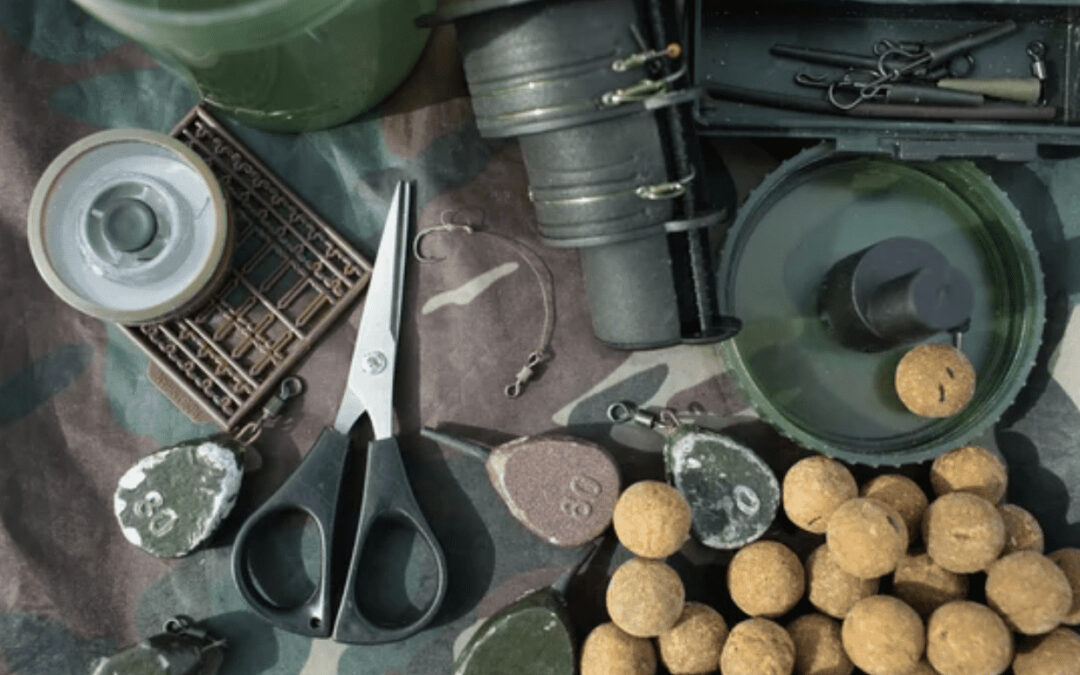
The basics of carp fishing rigs
Carp fishing rigs are designed to catch carp, which are a type of freshwater fish.
There are many different carp fishing rigs, but they all have one thing in common: they use bait to attract and catch carp.
The most common type of carp rig is the baited single-hook rig.
This rig is made by tying a single hook to a line and then adding bait to the hook.
The bait can be anything that carp find attractive, such as corn, bread, or worms. Another popular carp rig is the hair rig.
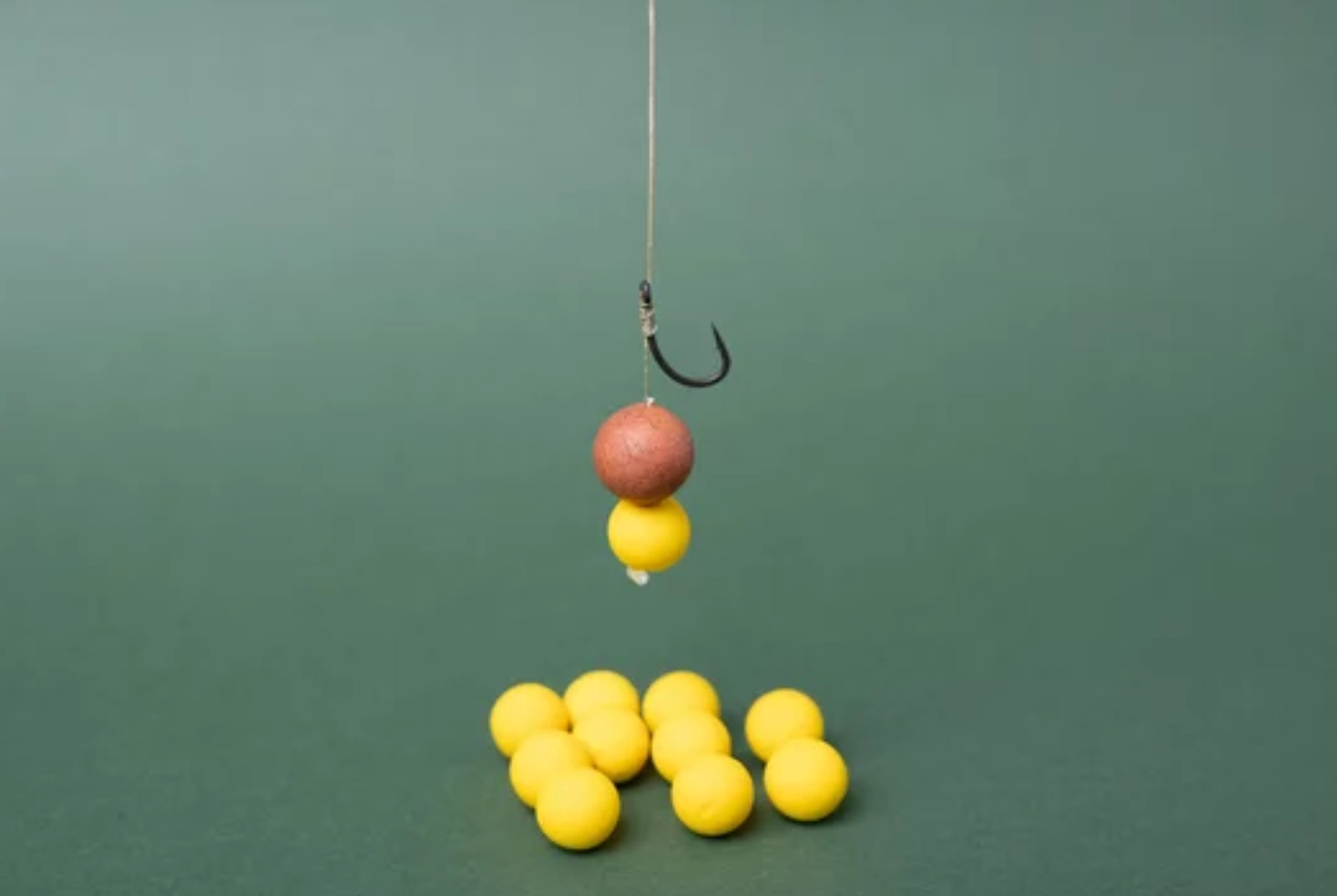
This rig is made by tying a piece of monofilament line to a hook and then attaching a small piece of bait to the line above the hook which is called the Hair.
This rig is designed so that when the carp sucks in the bait, the line will pull the hook into its mouth.
There are many other types of carp rigs, but these are two of the most popular.
Carp fishing rigs can be simple or complex, depending on your needs and preferences.
Different types of carp fishing rigs for different situations
Carp fishing rigs come in many different shapes and sizes, each designed for a specific purpose.
A very basic rig might consist of a line, a lead weight, and a hook.
However, there are many different variations that can be used to target carp in different ways.
For example, a huge range of different baits can be used, from live corn to sweetcorn kernels.
The type of bait used will often dictate the size and shape of the rig.
In addition, the weight of the lead can be varied to suit the depth of water being fished, and the size of the hook can be adapted to target fish of different sizes.
As a result, it is important to have a selection of rigs on hand to ensure that you are prepared for any situation.
With a little experimentation, you will quickly learn which rig works best in which situation.
List of Different Types of Carp Rigs
There are many different types of rigs for all sorts of different situations.
- Hair Rig
- Zig Rig
- Bottom Bait Rig
- Chod Rig
- Spinner Rig
- Snowman Rig
- Pop-Up Rig
- Waggler Rig
- Method Feeder Rig
- Helicopter Rig
- Float Rig
- Pellet Rig
- PVA Bag Rig
The main rigs you should use, and learn to tie are:
- Hair Rig
- Zig Rig
- PVA Bag Rig
- Method Feeder Rig
- Pop-Up Rig
The Hair rig, PVA bag rig, and method feeder rig are fished on the bottom of the lake. Whereas the Zig rig and Pop-up rig are used off the bottom of the lake bed and in the upper layers of the water.
If you don’t want to learn how to tie rigs, you can buy ready-made rigs from most tackle shops.
Learn to tie these four knots
How to tie a hair rig for carp fishing
The importance of bait presentation
When it comes to carp fishing, bait presentation is everything. Carp are notoriously fussy eaters, and they will often reject bait that is not properly presented.
In order to maximise your chances of success, it is important to take the time to ensure that your bait is presented in the most appealing way possible.
This means using the right size and shape of the hook, as well as ensuring that the bait is securely attached.
It is also important to pay attention to the way in which you cast your line, as this can have a big impact on the way in which the bait is presented to the fish.
By taking the time to get bait presentation right, you will increase your chances of success when carp fishing.
Tips and tricks for catching more carp
Every angler knows that carp can be tricky to catch, but with the right techniques, they can be a fun and rewarding challenge. Here are a few tips and tricks for catching more carp:
- Look for areas where carp are likely to congregate, such as near weed beds or in shallower water near the margins.
- Use the right bait. Carp are attracted to sweet baits like corn or boilies, as well as live bait like worms or aquatic insects.
- Use a heavy-duty fishing line, as carp are strong and can easily snap lighter lines.
- Be patient! Carp are not known for being the most active fish, so it may take some time to get a bite. However, when you do finally hook one, they put up quite a fight.
With these tips in mind, you’ll be well on your way to landing some big carp.
Conclusion
Now that you know the basics of carp fishing rigs, it’s time to get out there and try them for yourself.
Different types of rigs work better in different situations, so it’s important to experiment and see what works best for you.
With practice, you’ll be catching carp like a pro in no time.
FAQ
What type of bait should I use for carp fishing?
The type of bait used will depend on the situation, but generally speaking sweetcorn, worms and aquatic insects are good choices. You can also experiment with other types of bait to see what works best.
How do I present my bait for carp fishing?
Presenting your bait is key to catching carp. Make sure you use the right size and shape of hook for the bait, as well as ensure that it is securely attached. Additionally, pay attention to the way in which you cast your line to ensure that it is presented in the best way possible.
What type of fishing line should I use for carp fishing?
When it comes to carp, a heavy-duty and durable line is usually recommended, typically at least 10lb breaking strain. This will ensure that your line does not snap when you are fighting with the fish.
Further Reading
- The Best Carp Fishing Trousers and Bib and Braces
 Updated September 2026. Staying warm and dry from the waist down matters more than most anglers admit, and a decent pair of… Read more: The Best Carp Fishing Trousers and Bib and Braces
 - The Best Fishing BrolliesUpdated September 2026. A good brolly earns its keep the moment the weather turns, and the right size and pitching system make… Read more: The Best Fishing Brollies
- The Best Big Pit ReelsUpdated September 2026. A big pit reel earns its keep the moment a swim demands real distance, and the large, shallow-taper spool… Read more: The Best Big Pit Reels
- The Best Carp Rods Under £100Updated September 2026. A budget carp rod under £100 can genuinely compete with pricier options for most UK stillwater fishing, provided it… Read more: The Best Carp Rods Under £100
- The Best Carp Fishing GiftsUpdated September 2026. The best carp fishing gifts are ones that actually get used on the bank, and a small, genuinely practical… Read more: The Best Carp Fishing Gifts
- The Best Marker Floats and Feature-Finding KitUpdated September 2026. Ten minutes spent mapping a swim with a marker float saves hours of blind casting later, and the right… Read more: The Best Marker Floats and Feature-Finding Kit
- The Best Bite Alarm Accessories: Bank Sticks, Snag Ears and RemotesUpdated September 2026. An alarm set is only as good as what it is mounted on, and the bank sticks, snag ears… Read more: The Best Bite Alarm Accessories: Bank Sticks, Snag Ears and Remotes
- The Best Unhooking Mats and Cradles for Carp FishingUpdated September 2026. An unhooking mat is not optional kit, and choosing between a flat mat and a cradle depends mainly on… Read more: The Best Unhooking Mats and Cradles for Carp Fishing
- The Best Bivvy Tables, Organisers and StorageUpdated September 2026. A decent bivvy table earns its keep in the first session, keeping a brew, a phone and a rig… Read more: The Best Bivvy Tables, Organisers and Storage


Last Updated on September 9, 2026 by Shane Stanford
Shane Stanford has fished for carp for over twenty years, in the UK and in France, and currently fishes a private syndicate water in West Sussex. He writes Fishing Again to put the things he learned the hard way into plain language: location and watercraft first, then bait, rigs and gear. He is straight about which kit he has actually fished and which he has assessed on specification, and says so on the page.


